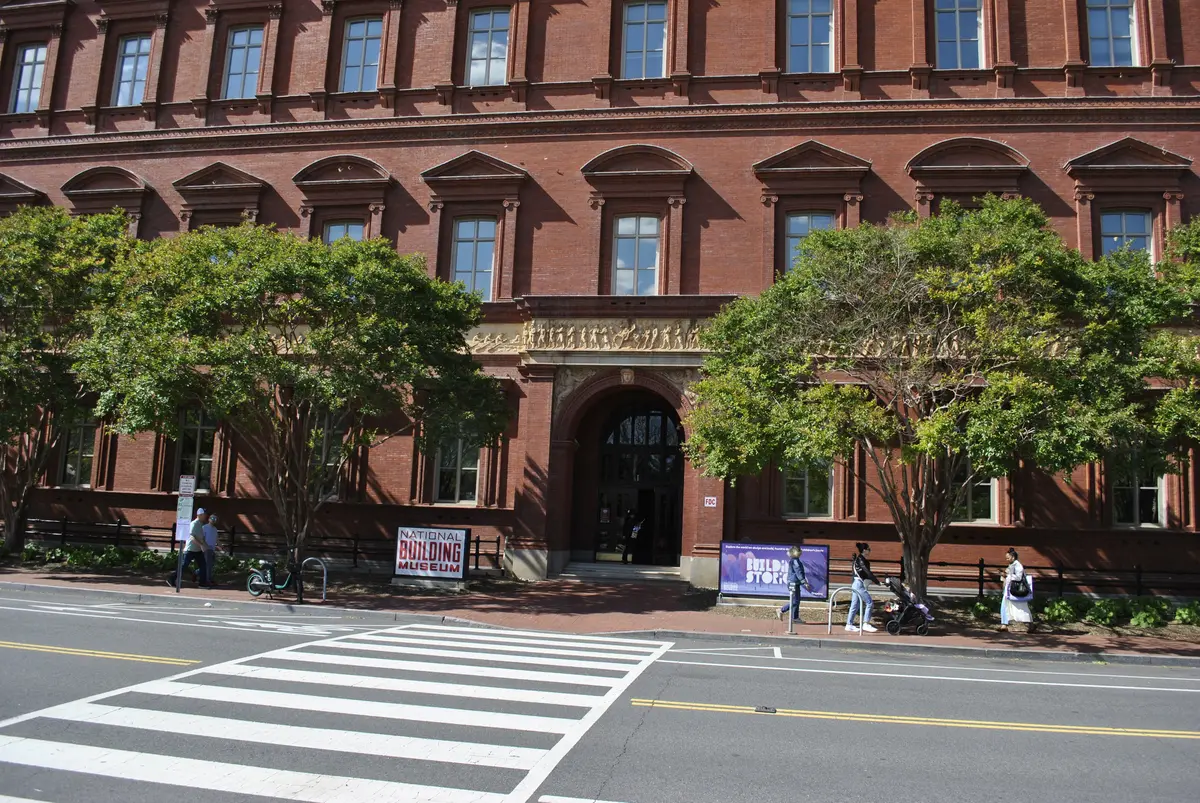

We had been meaning to visit the National Building Museum for a while and finally went on a last Sunday afternoon. From the outside, it looks like a serious government building, a long red brick facade with arched windows and columns, but what we found inside was one of the most kid-friendly museums we have visited in DC.
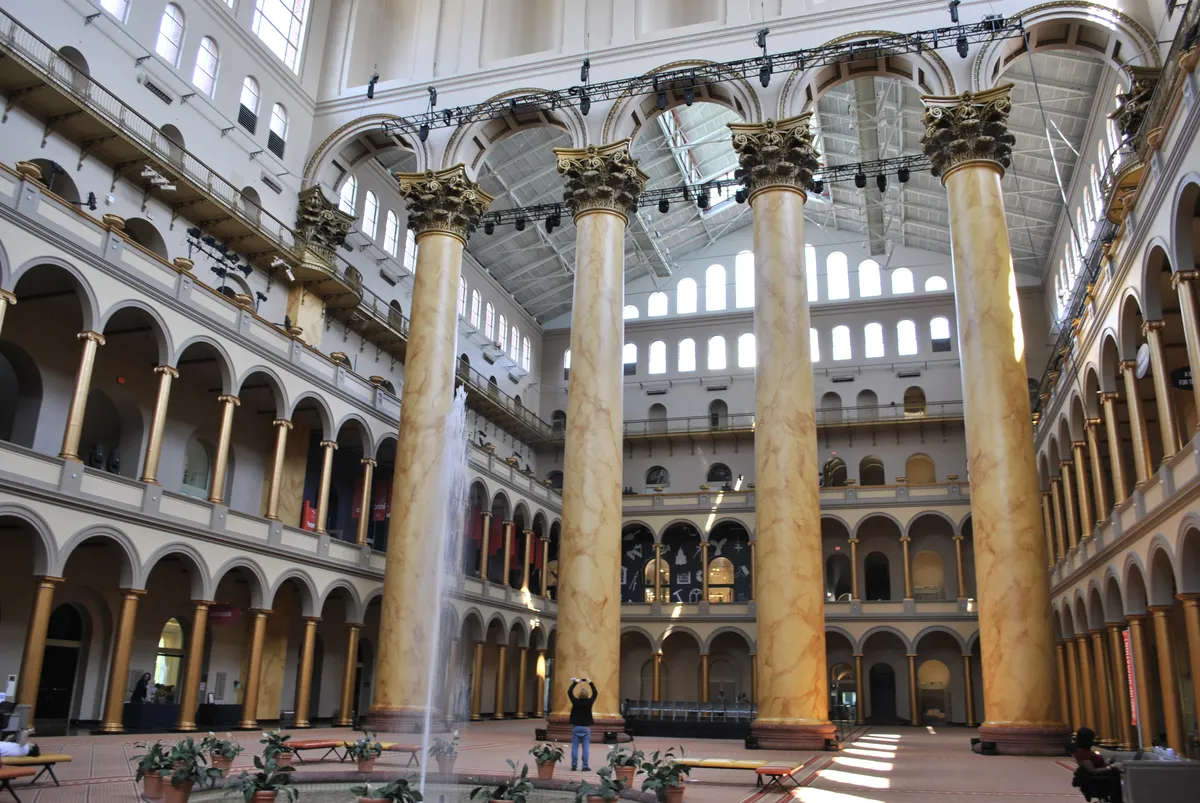
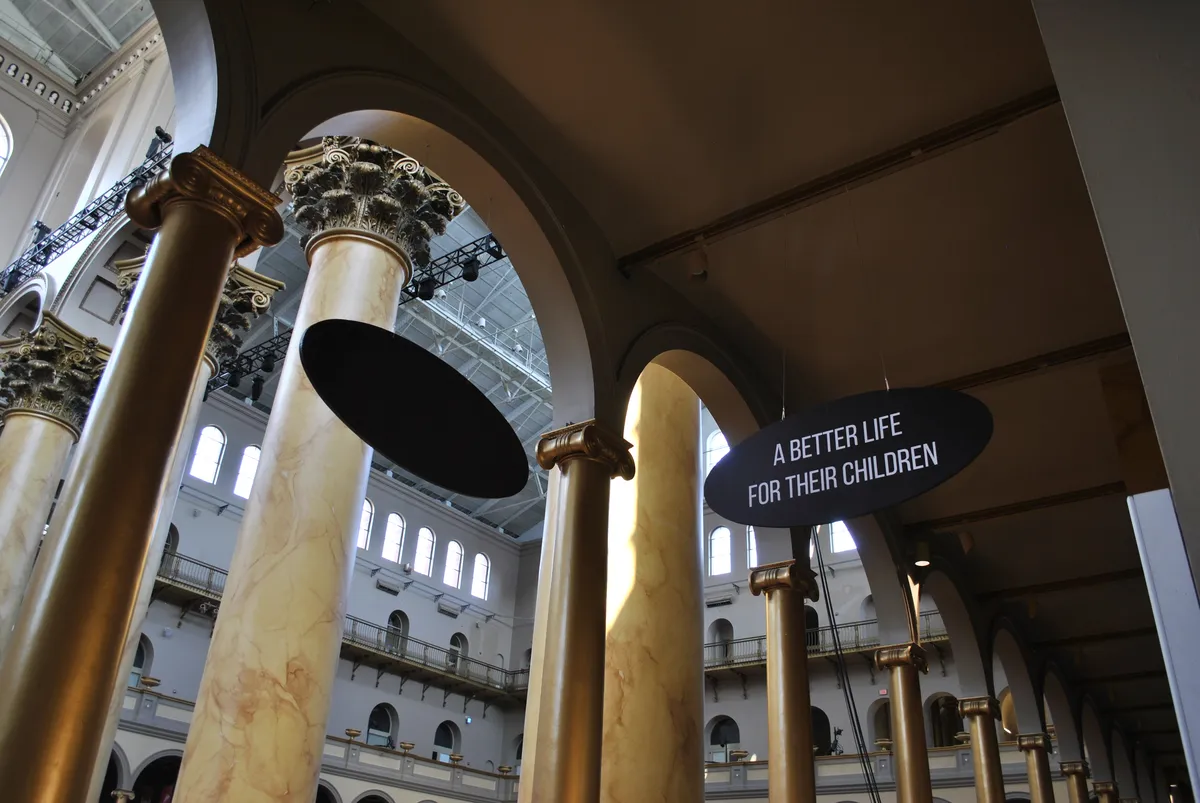
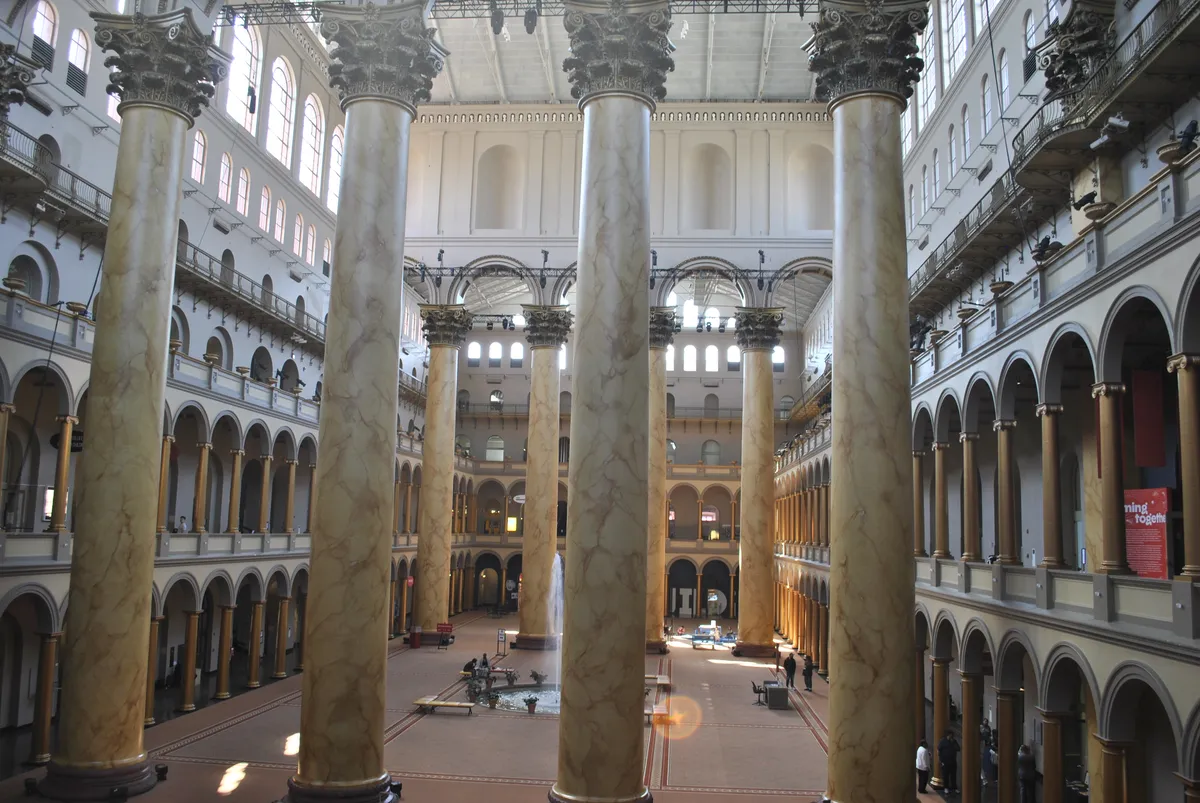
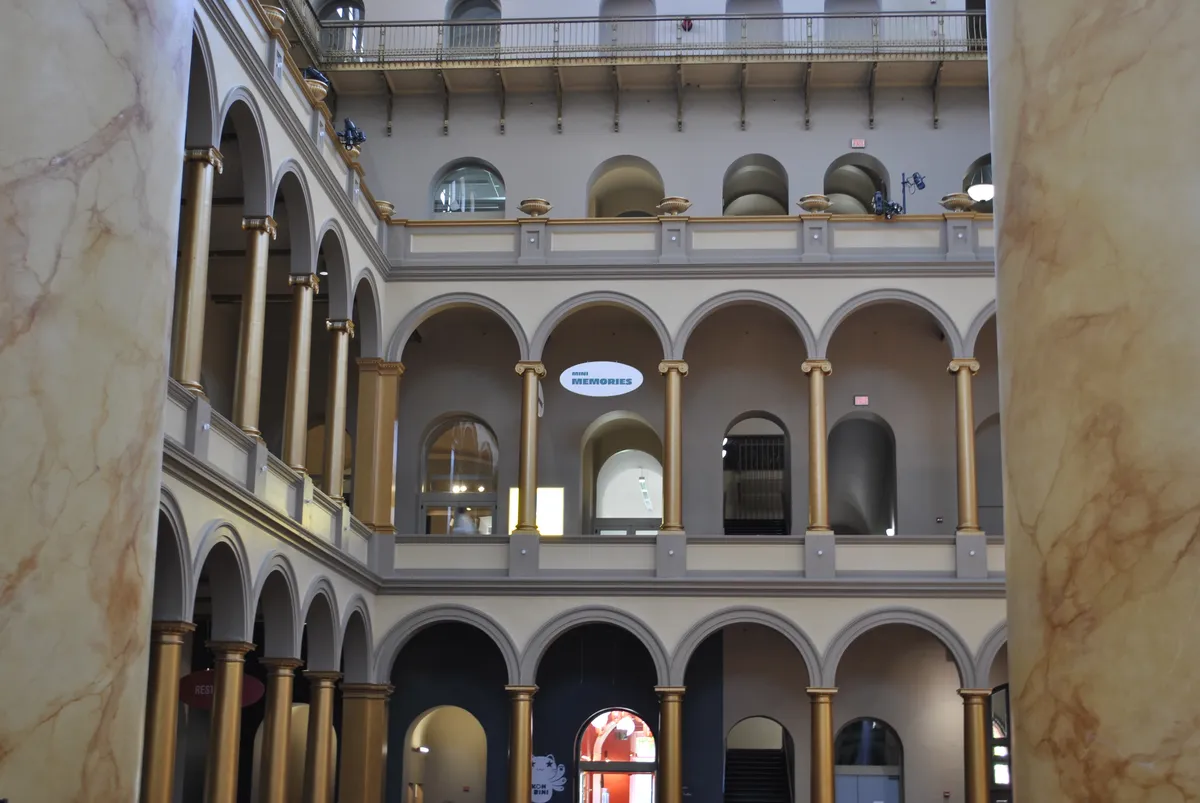
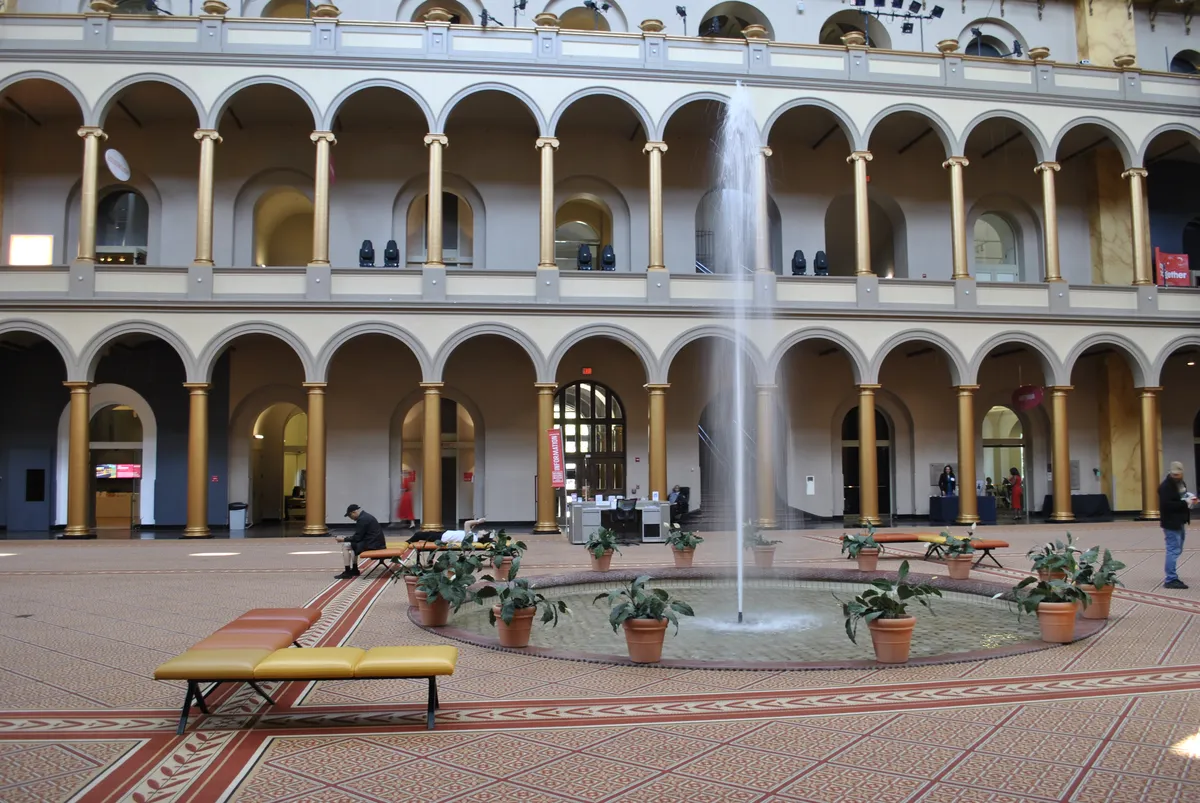
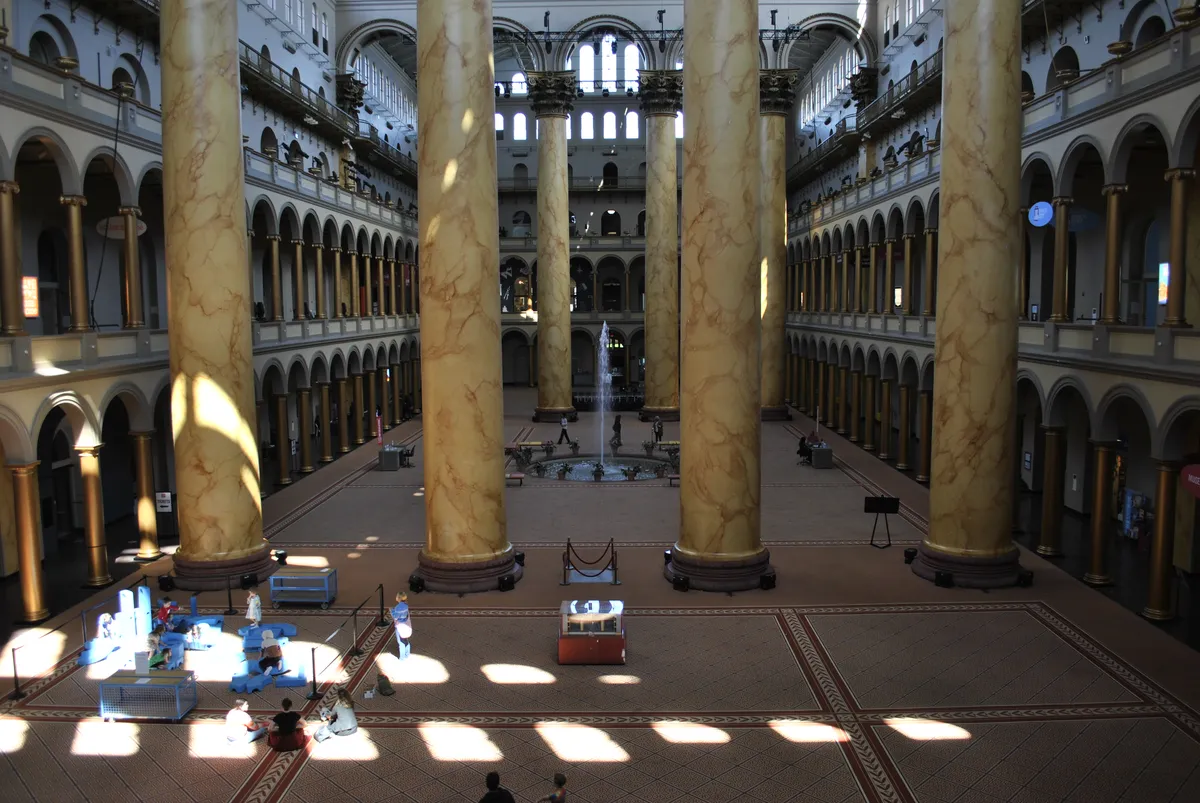
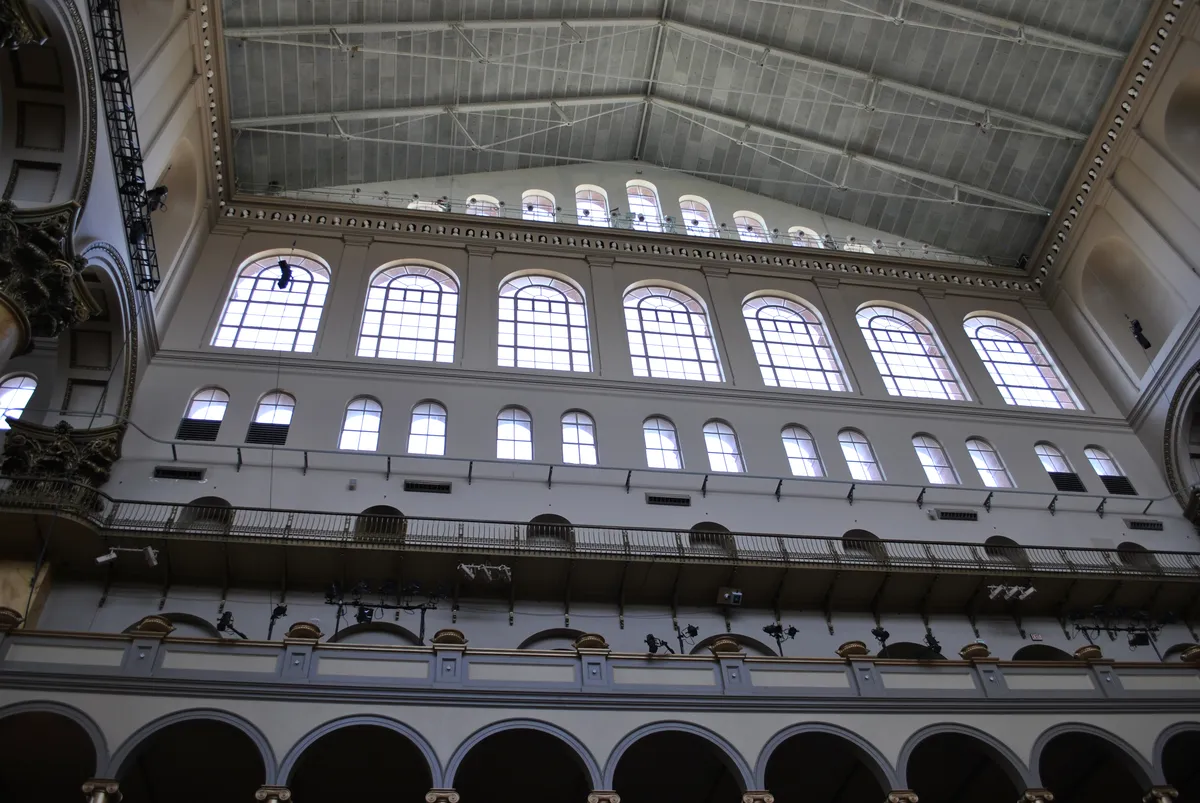
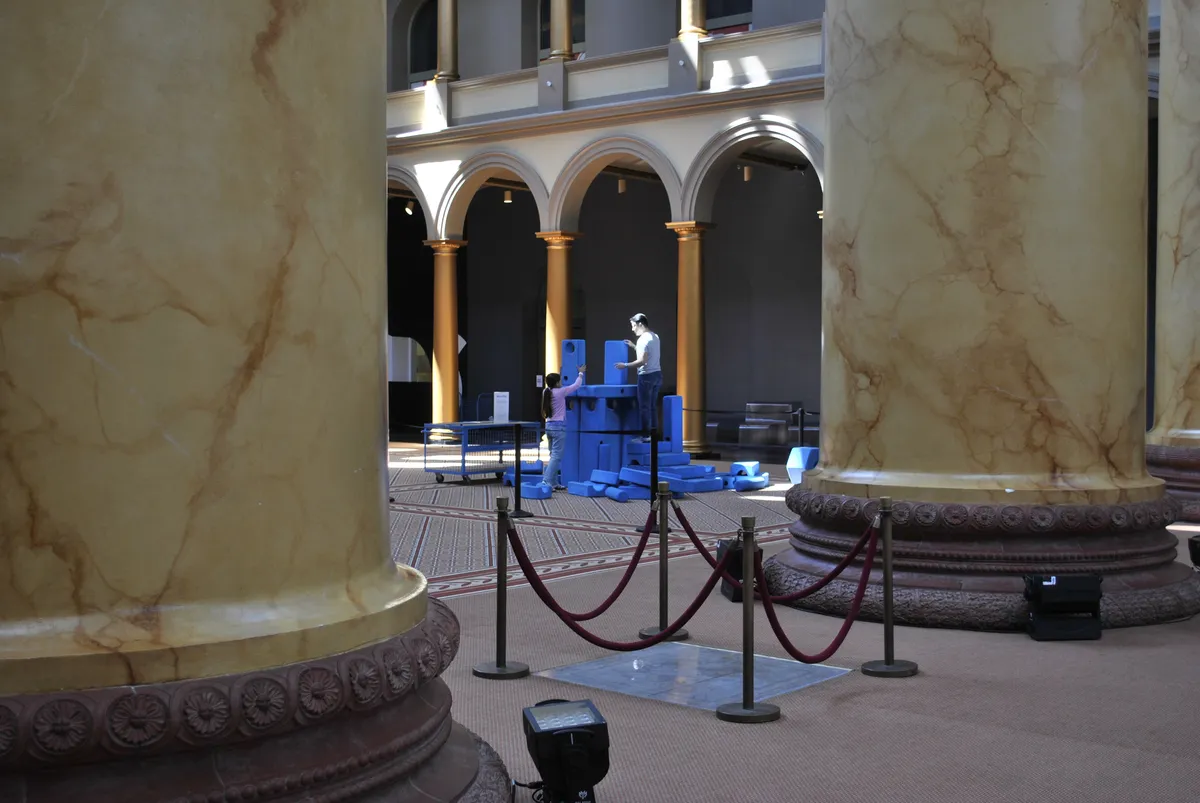
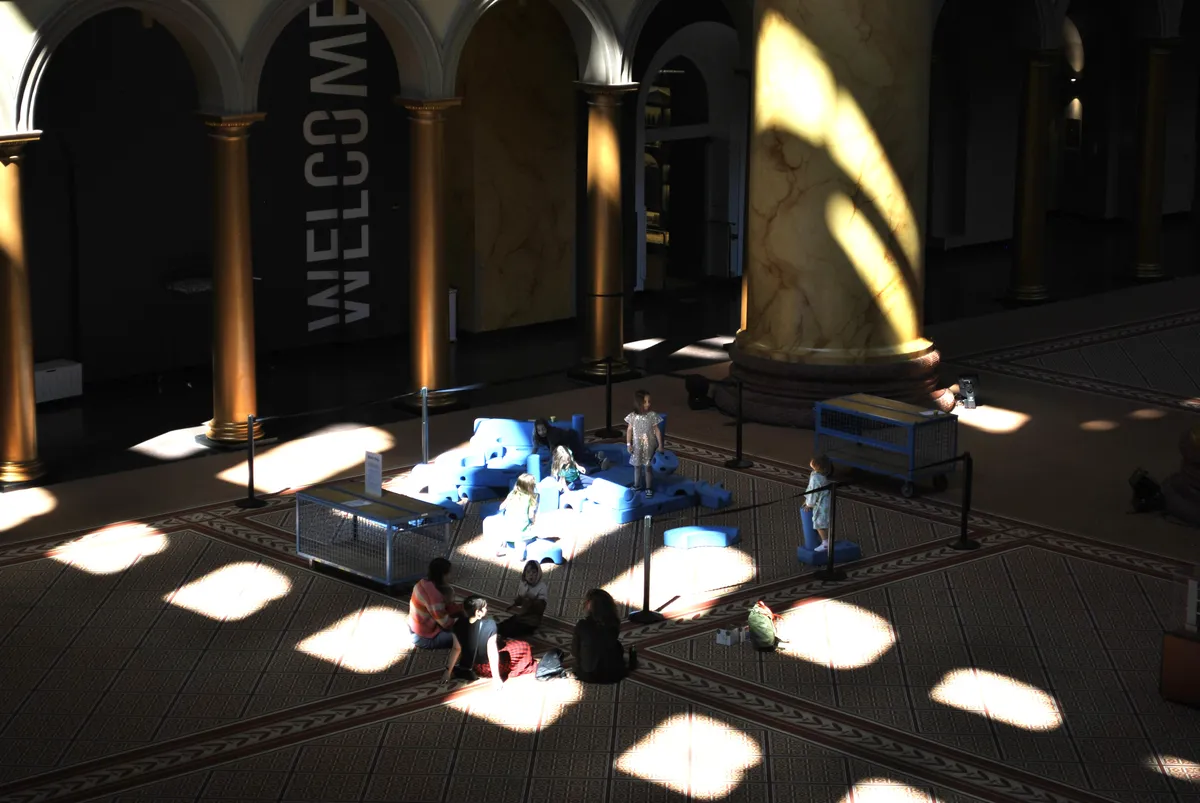
The first thing you notice when you walk in is the Great Hall. It is genuinely massive. Eight Corinthian columns rise up to the ceiling, each one painted to look like marble, with natural light pouring in from the clerestory windows above. The floor has a geometric tile pattern, and right in the center, there is a fountain surrounded by yellow benches and potted plants. Even the kids stopped for a second to look up, which says a lot.
On the day we visited, a play area was set up on the floor of the Great Hall with large blue foam blocks. Kids were stacking them, building walls and towers, climbing over them. It was free and open, no sign-up needed. There were families sitting on the floor around the play zone, and the sunlight coming through the upper windows created these beautiful diamond-shaped patterns on the ground. It felt like a playground inside a palace.
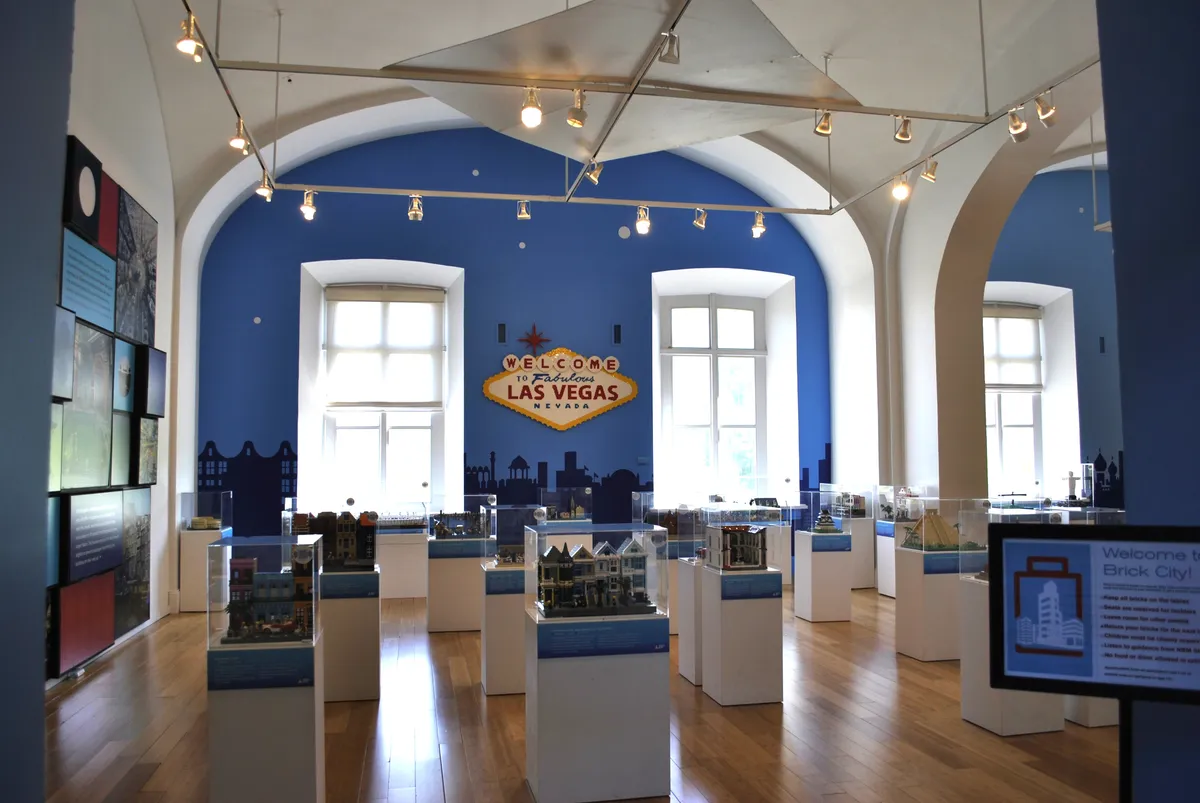
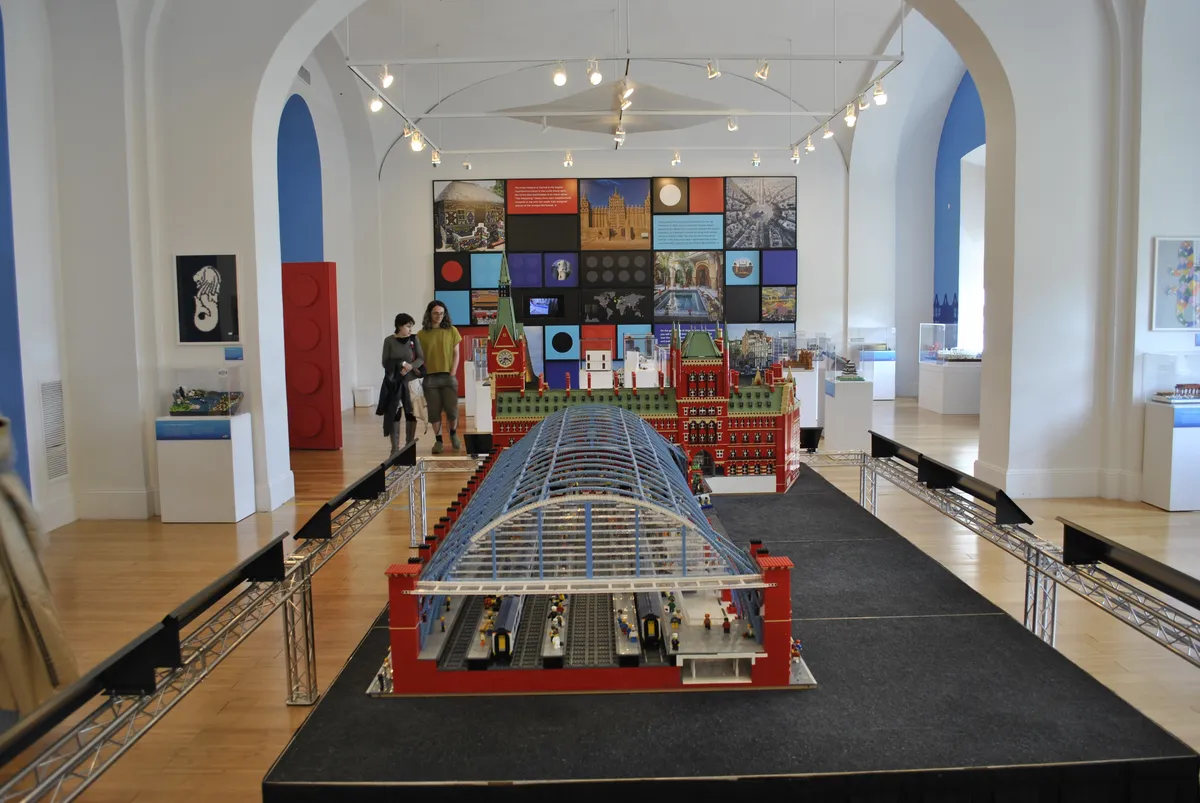
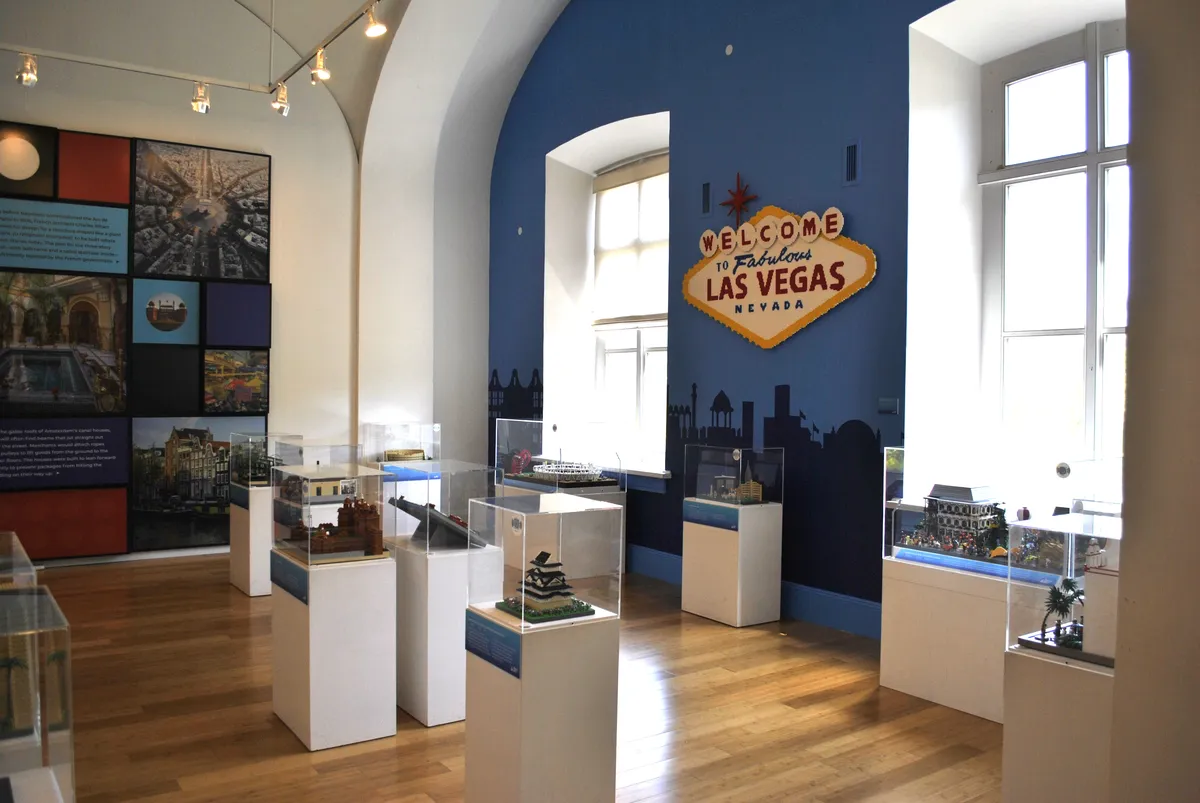
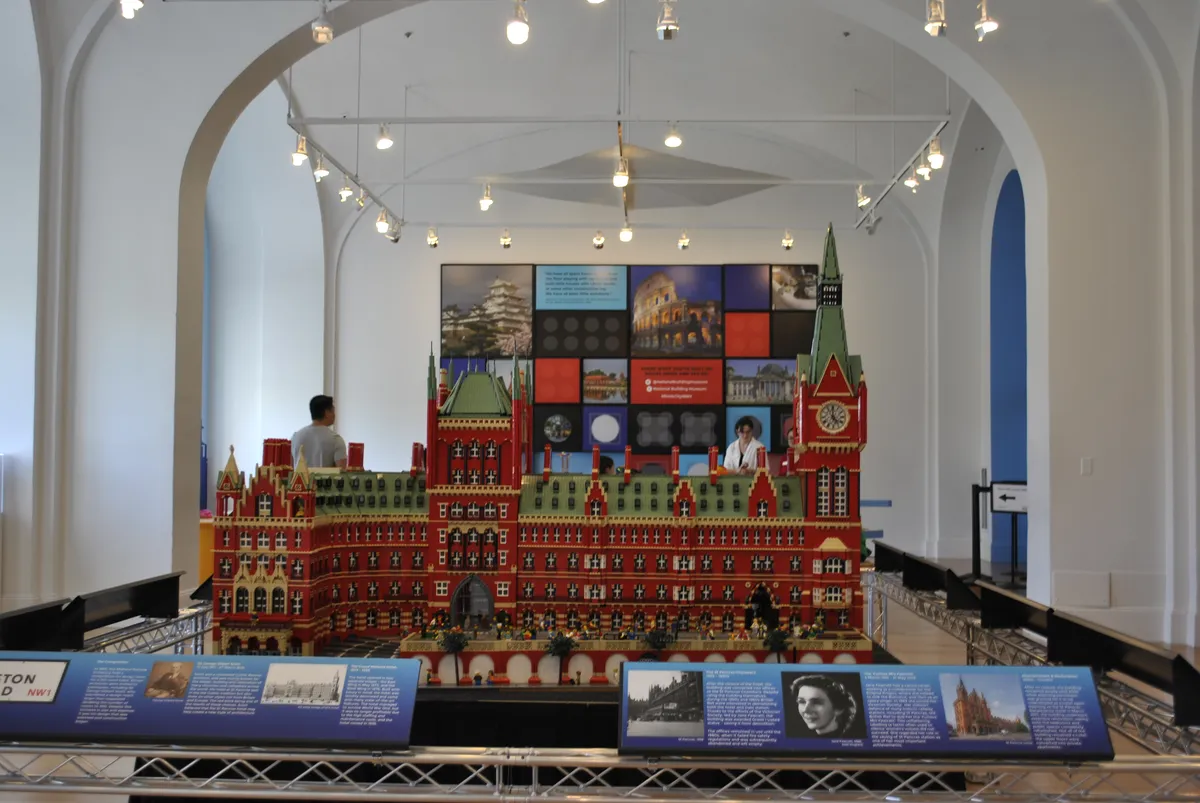
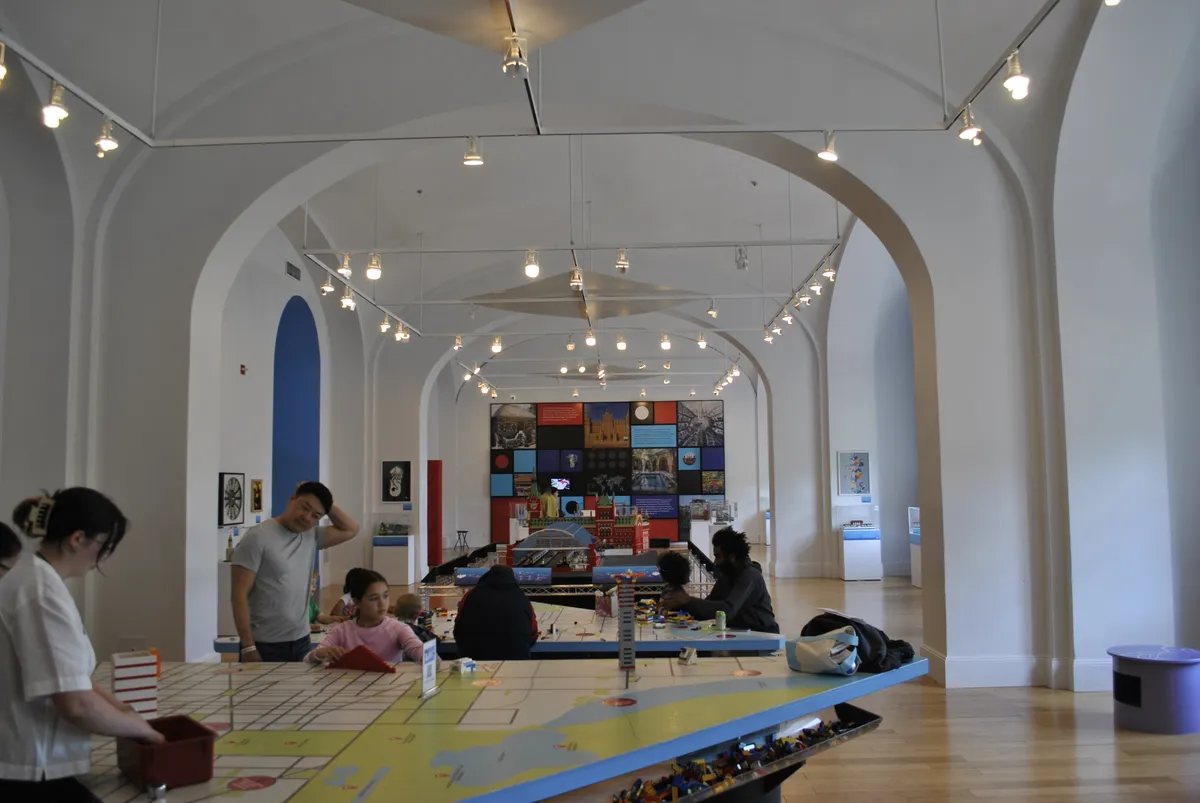
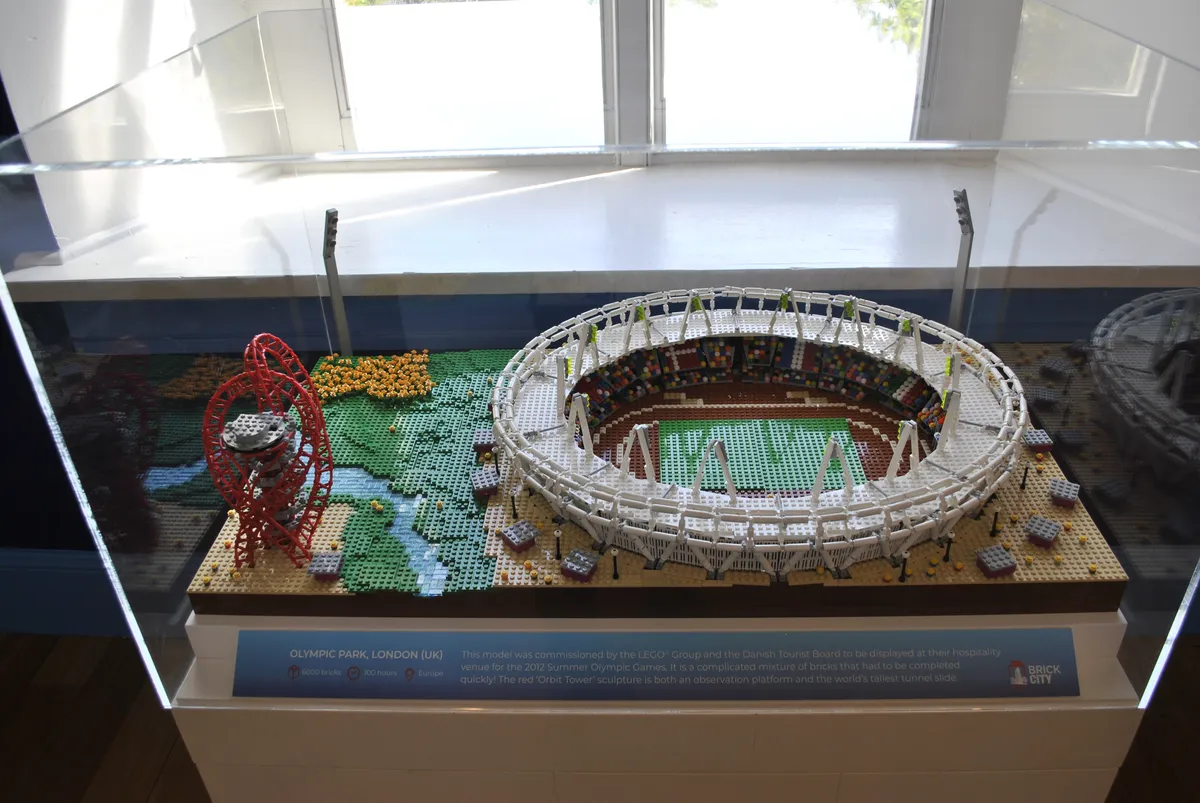
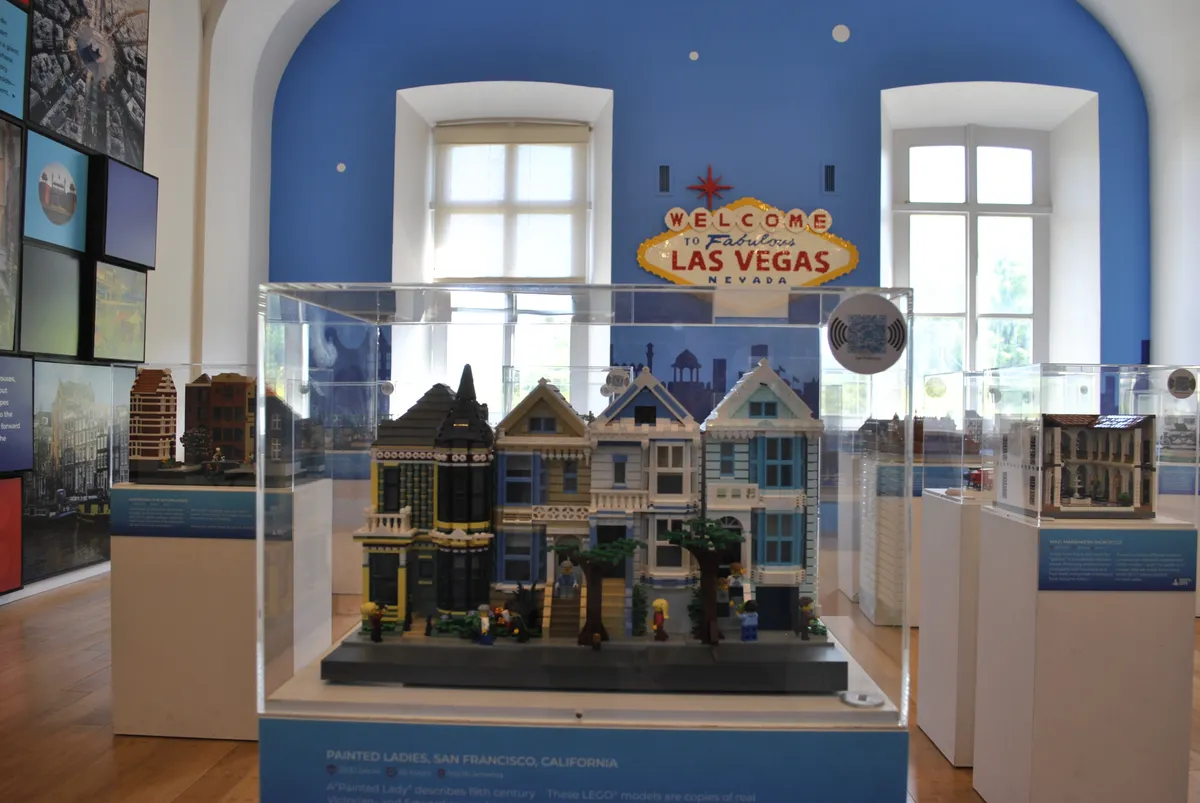
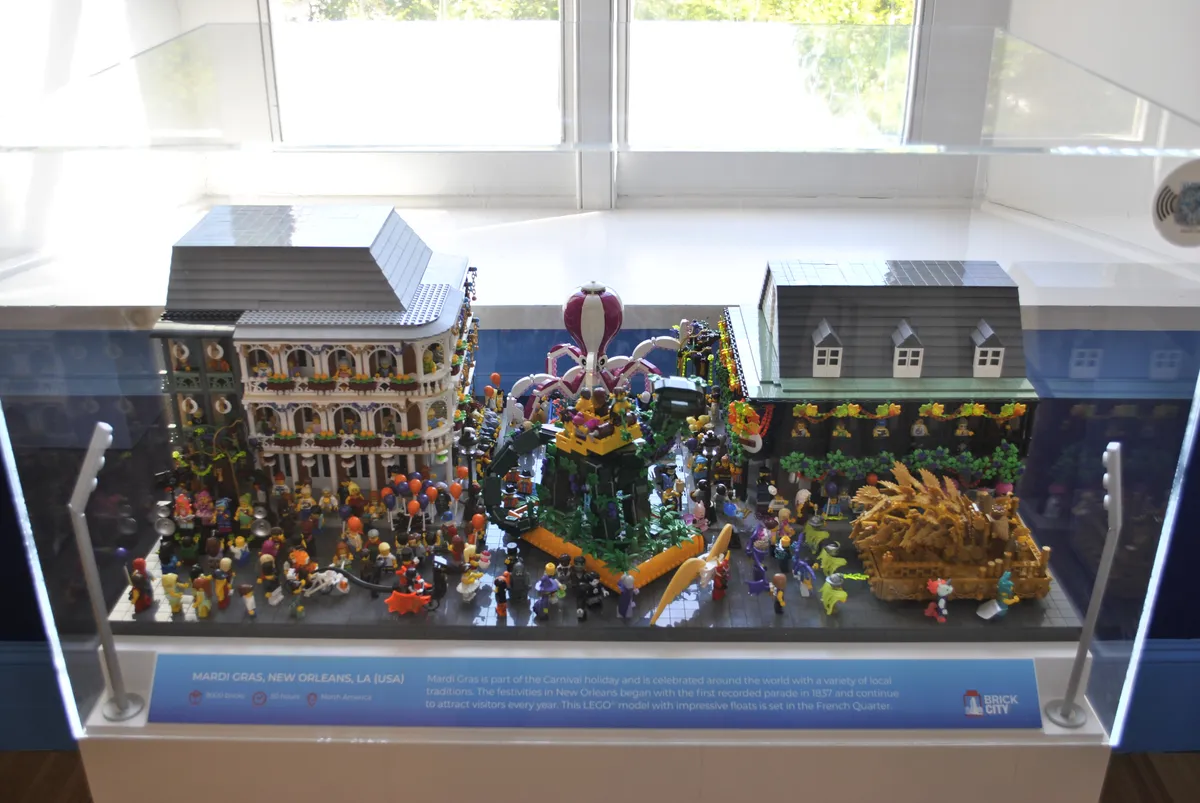
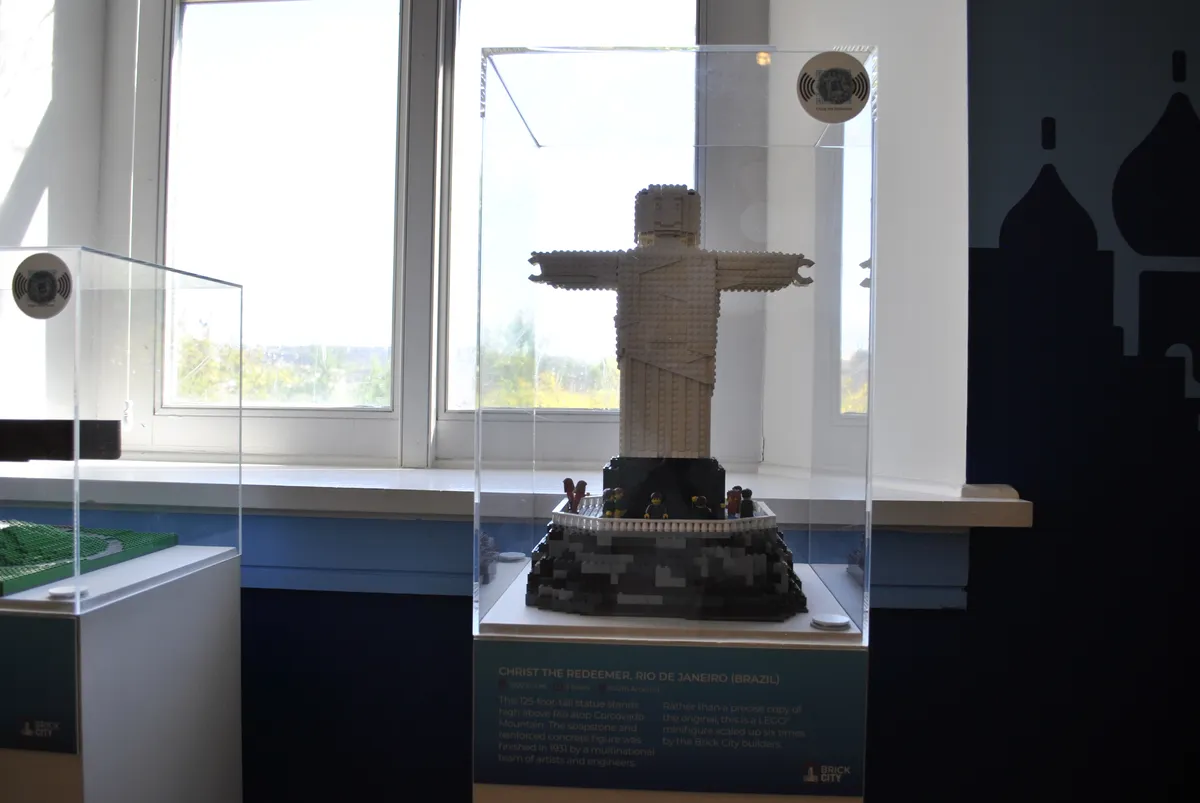
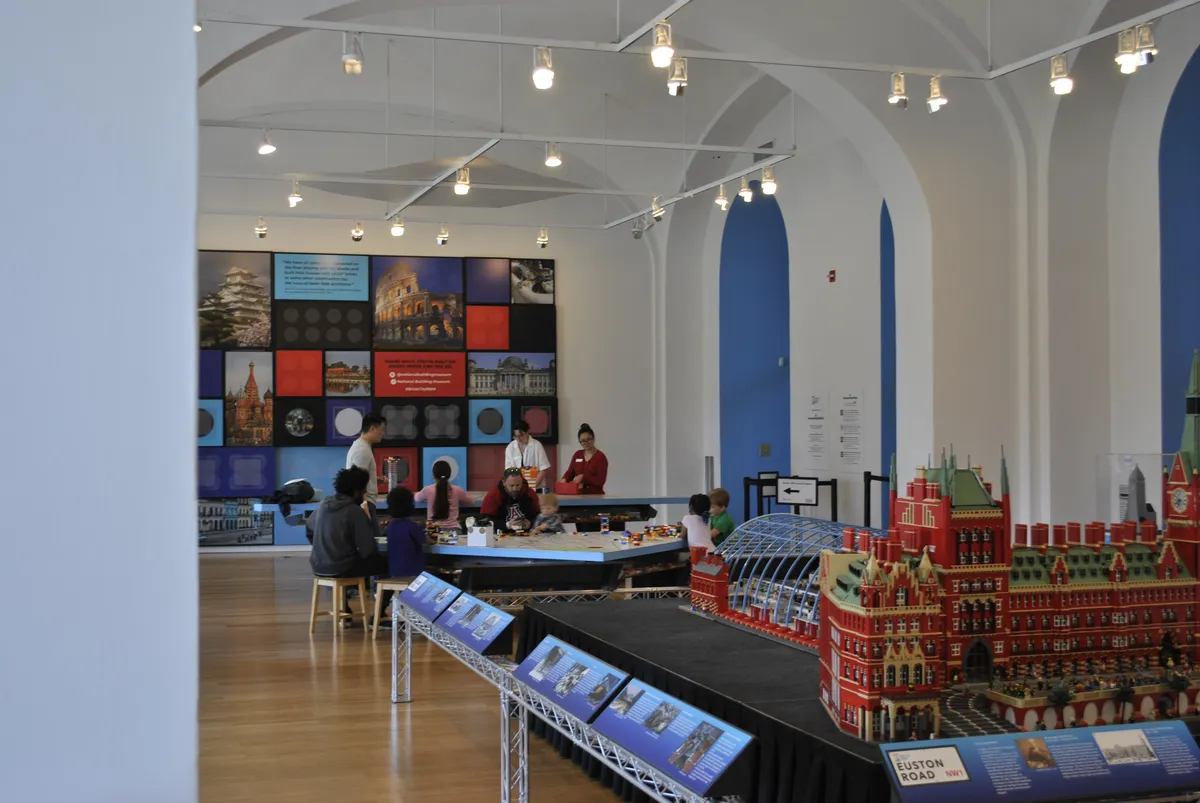
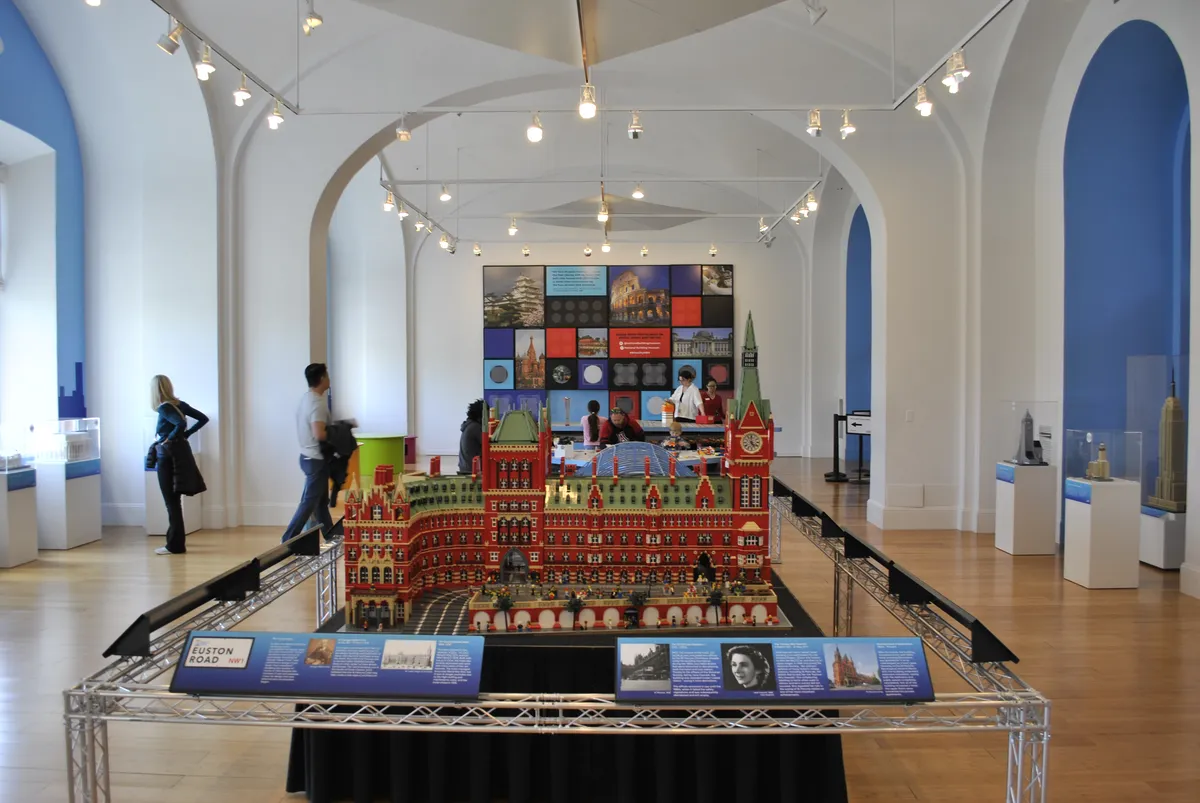
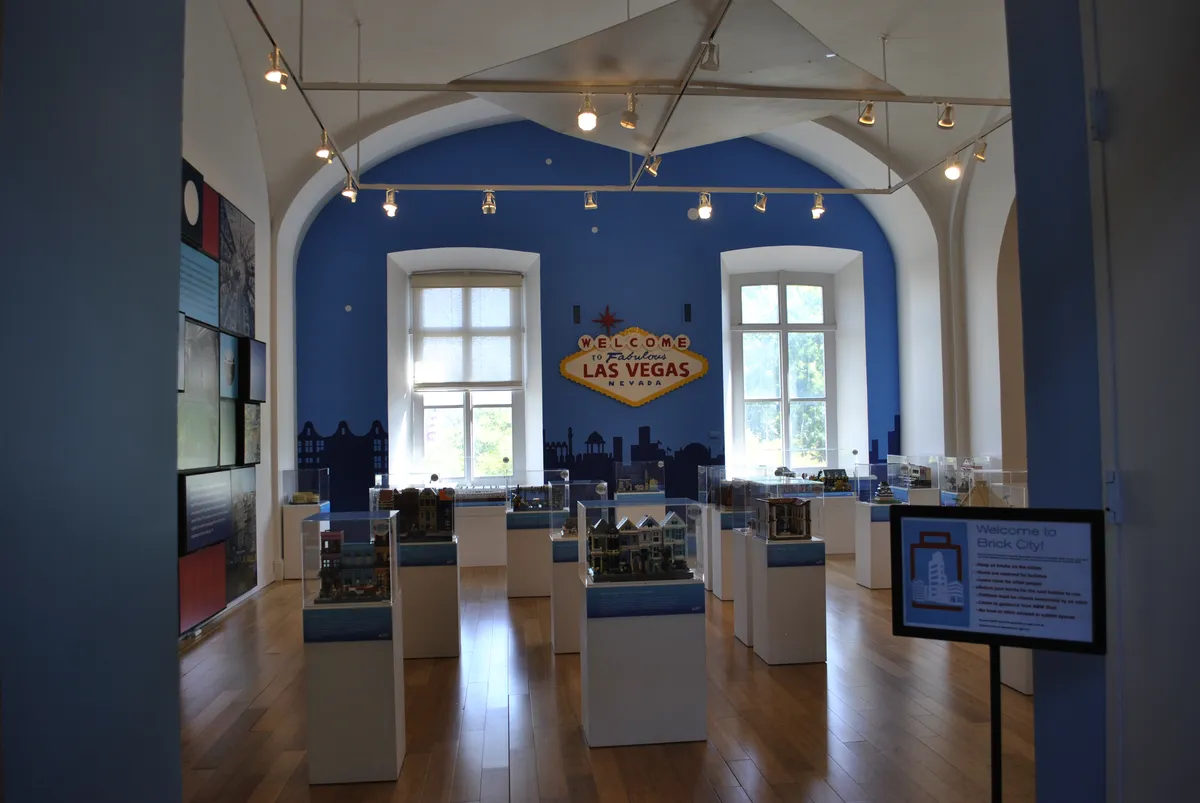
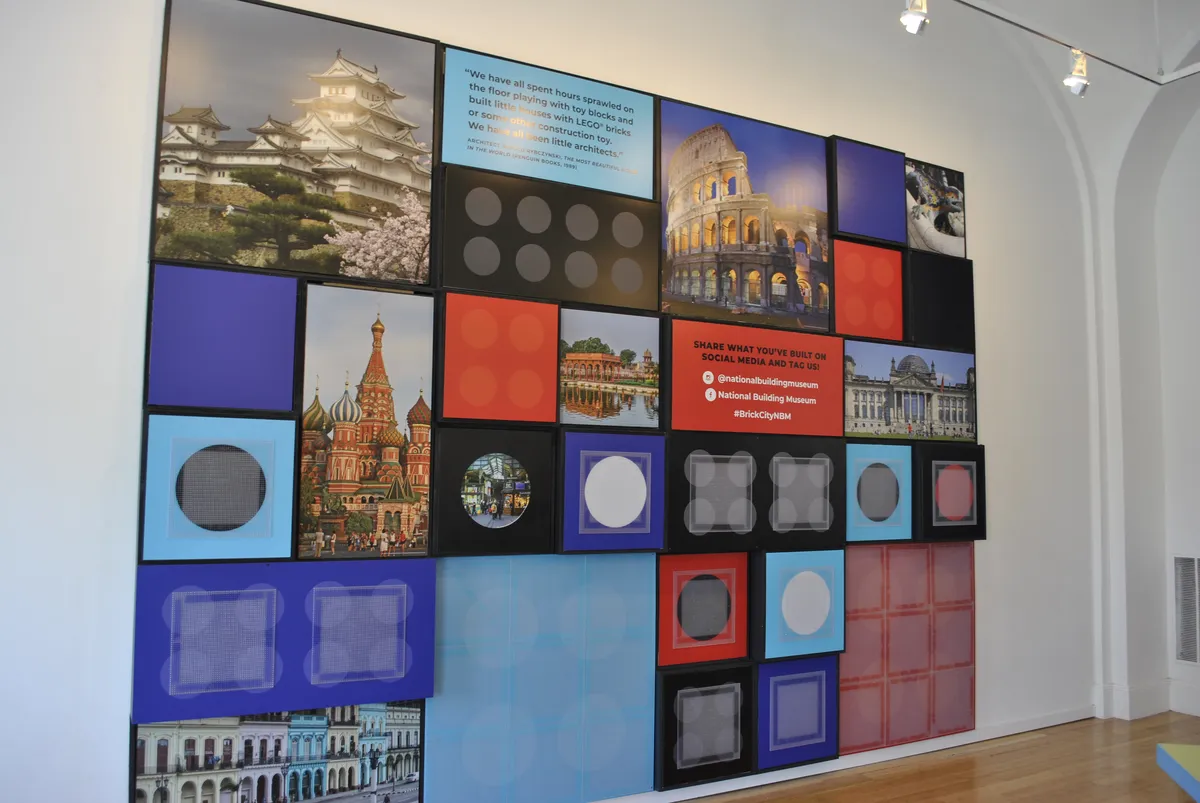
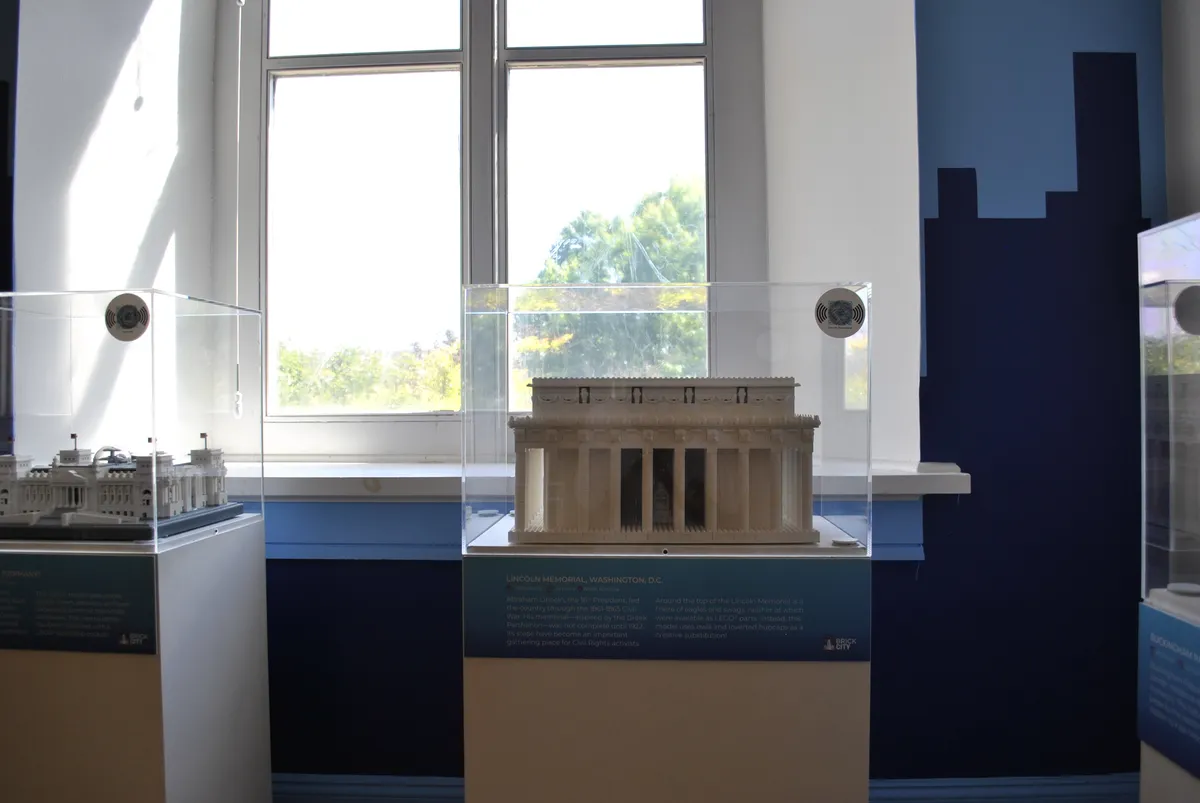
What made Brick City special for kids, though, was the hands-on area. In the middle of the exhibition there were tables where they could sit down and build with LEGO bricks. Families were gathered around the tables, and kids were totally focused on their creations. It was a nice balance between looking at the professional models and actually getting to build something themselves.
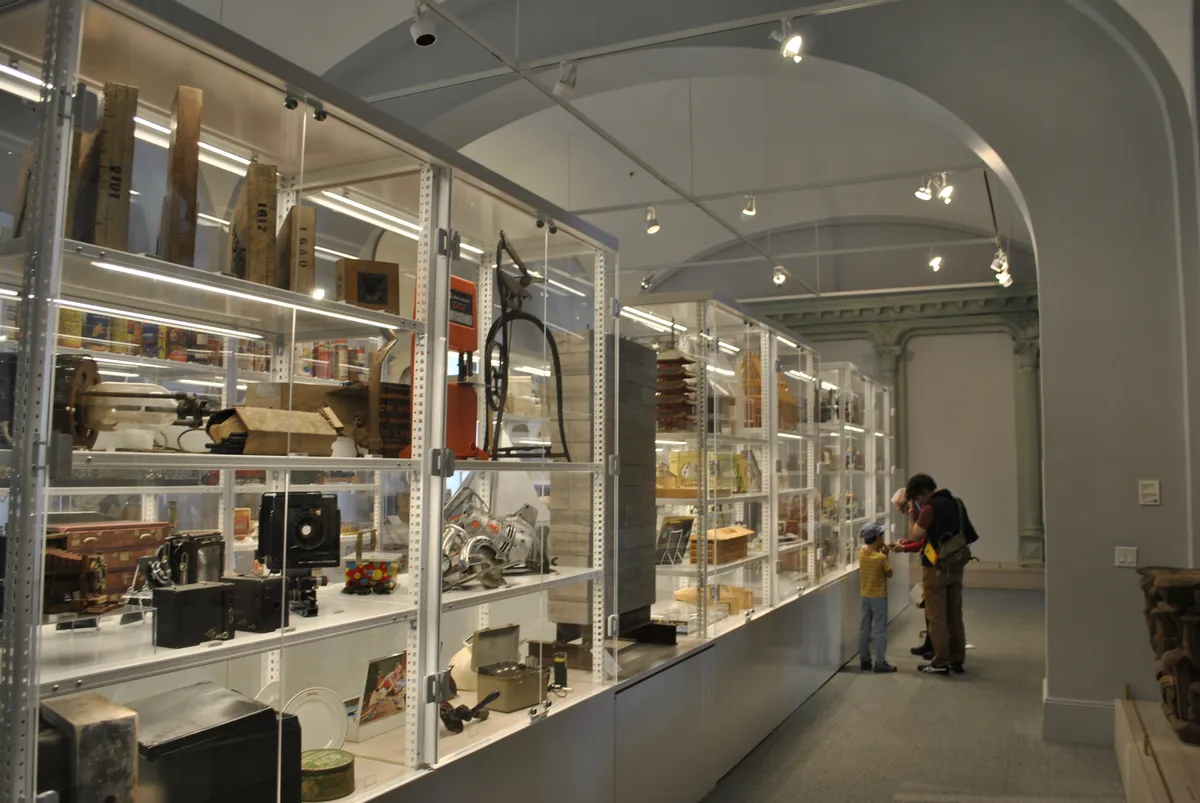
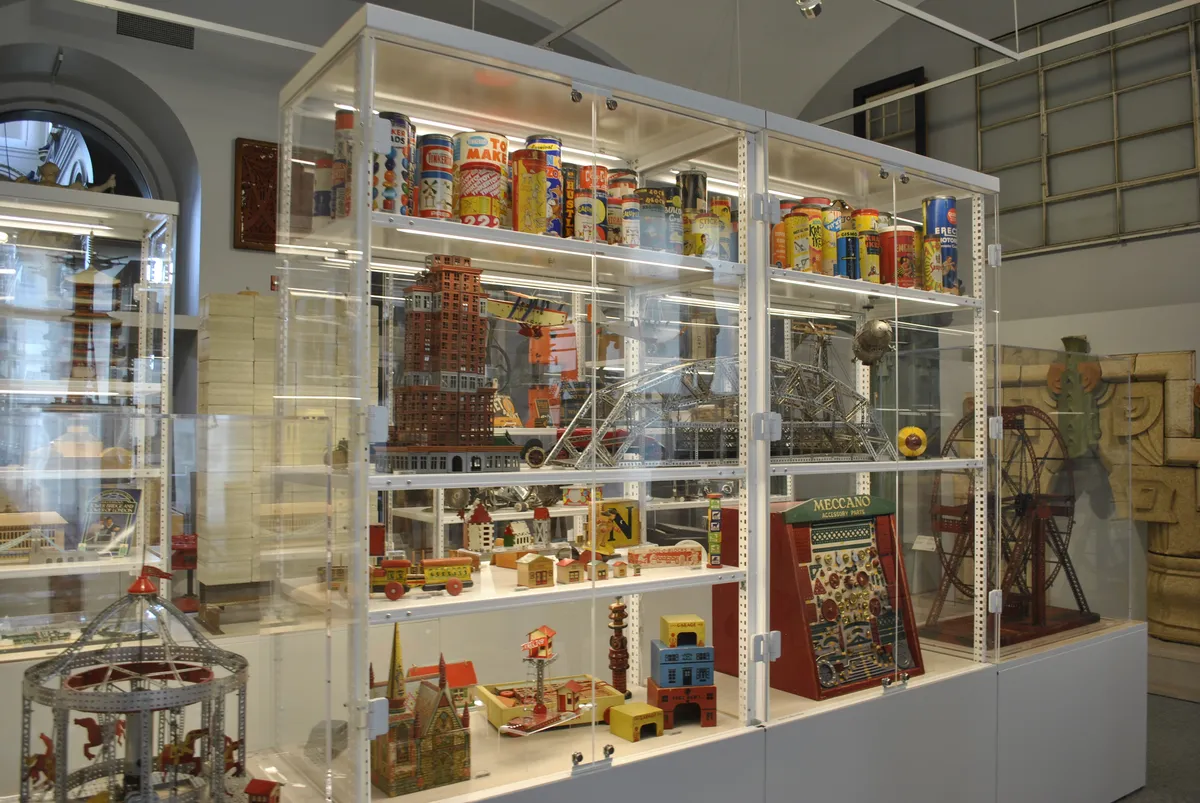
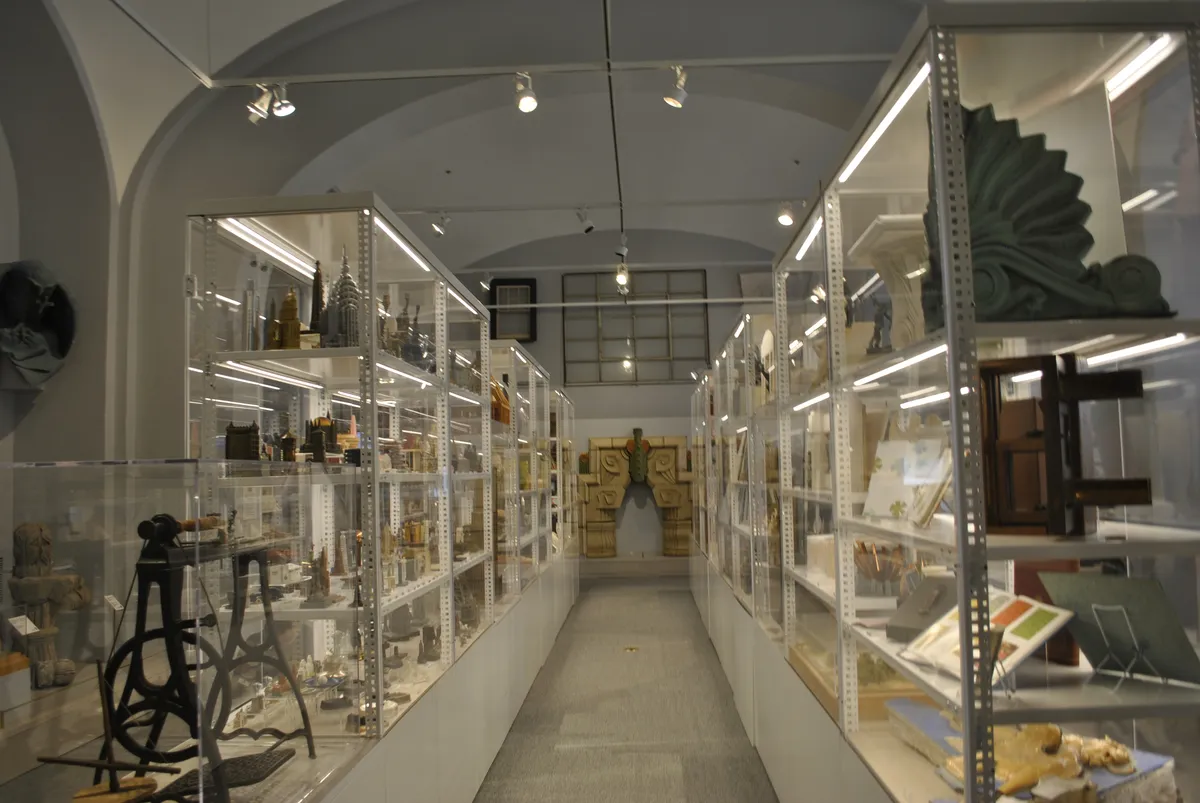
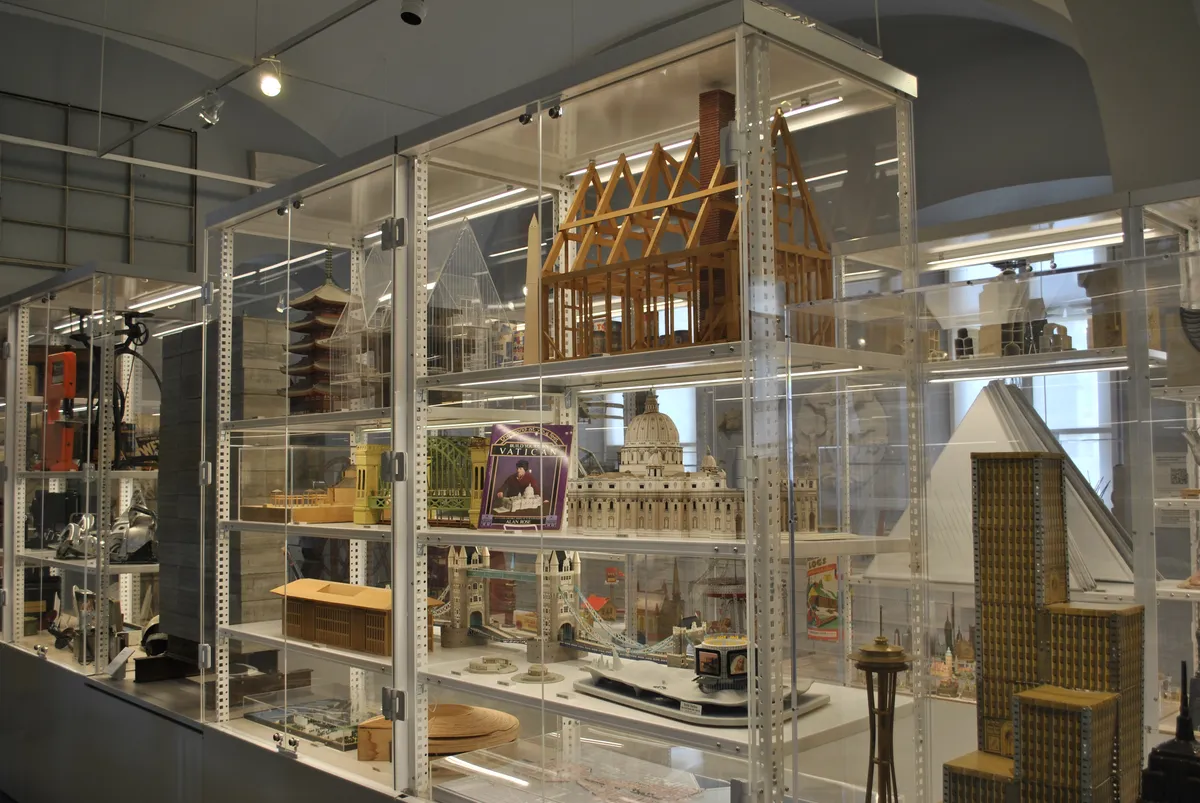
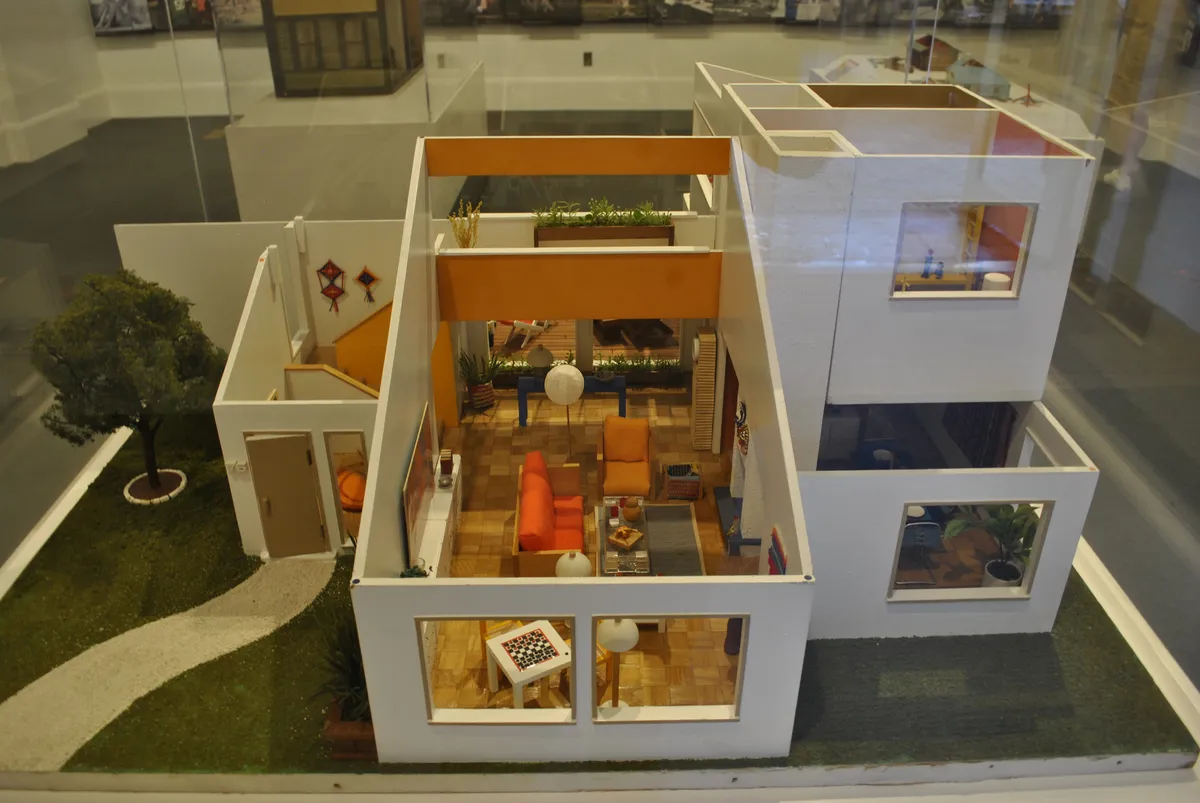
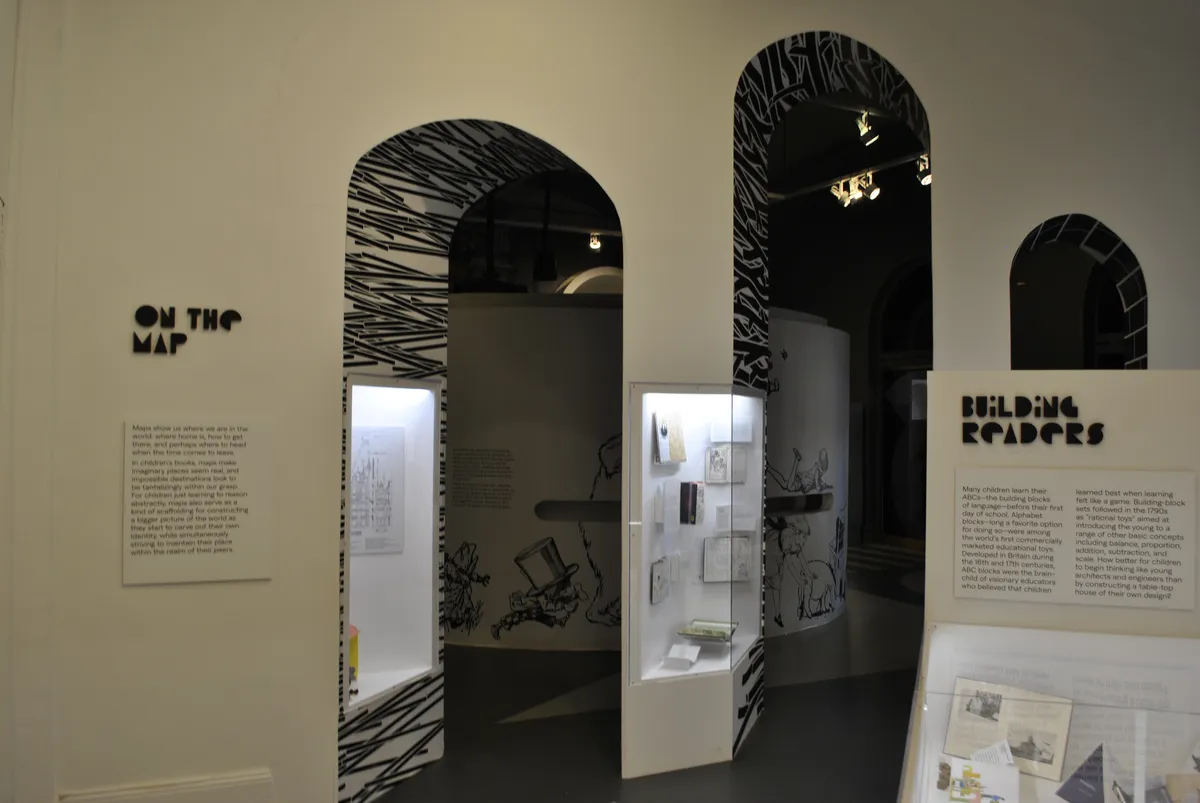
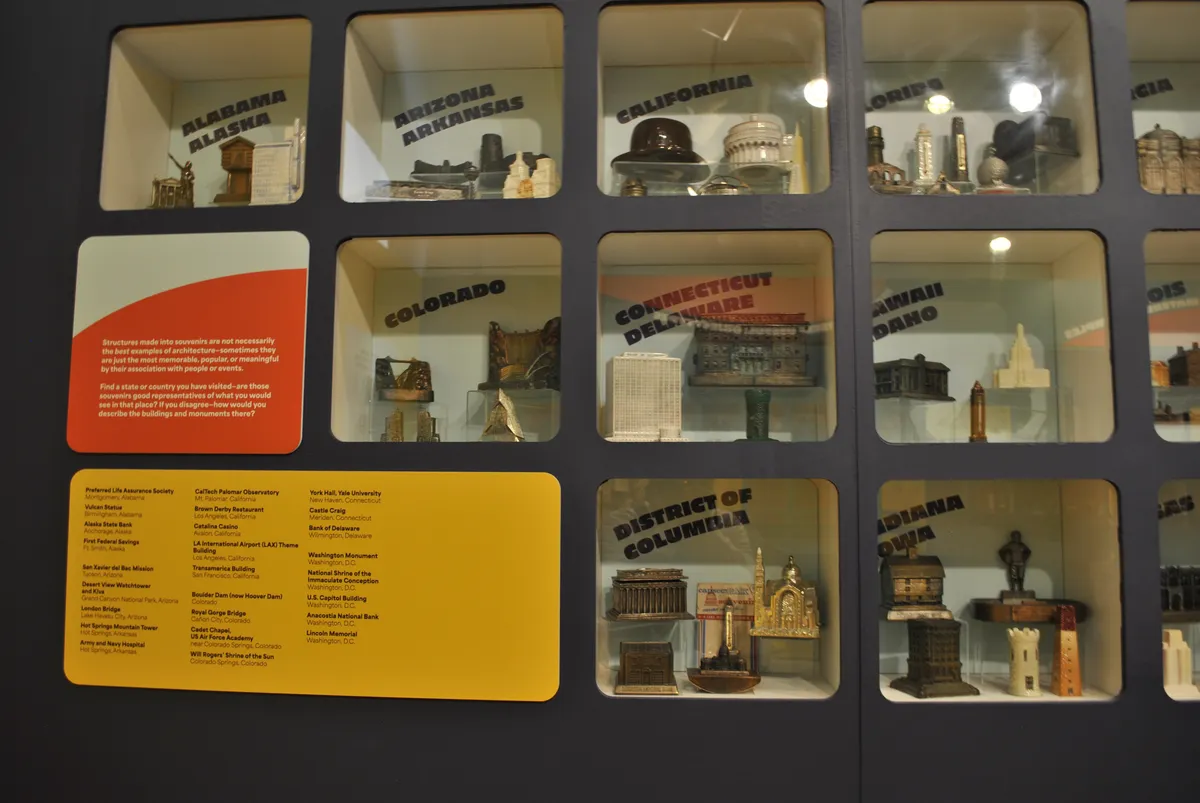
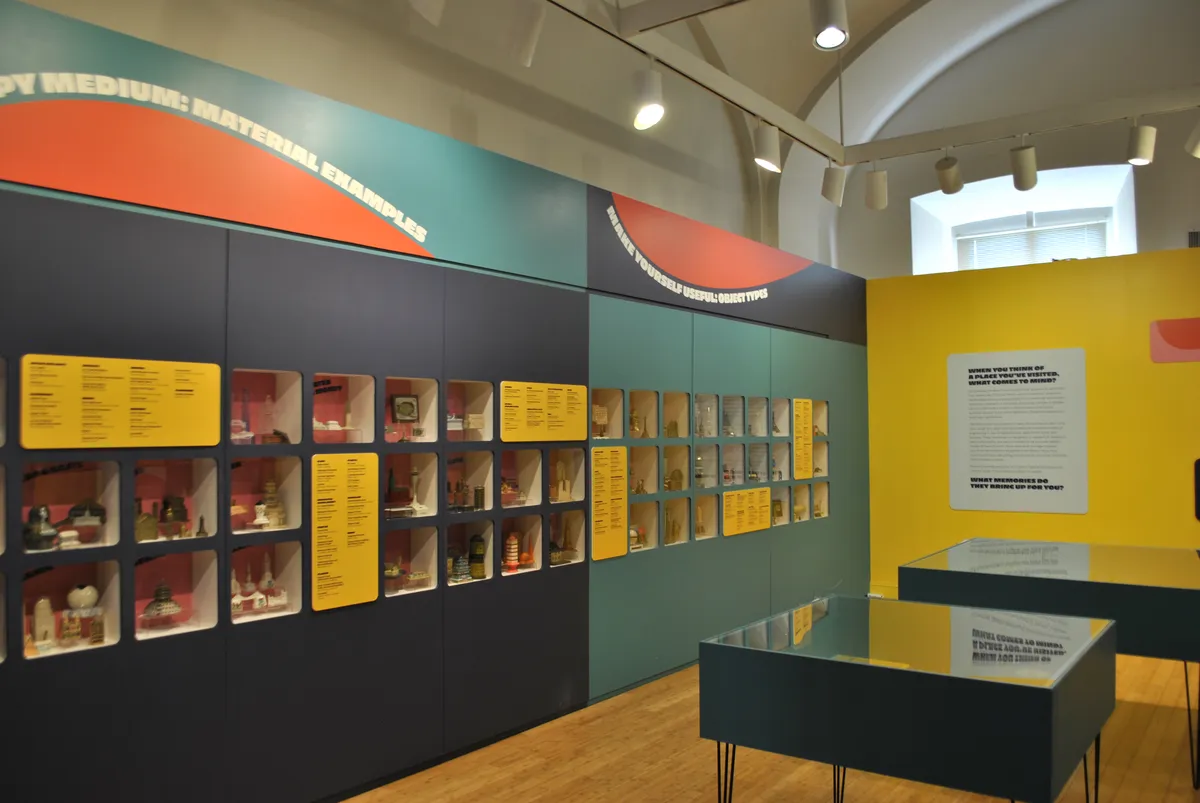
Beyond Brick City, we explored the architecture collection. There is a corridor lined with glass cases displaying architectural models of all kinds, such as a Japanese pagoda, a house frame, a pyramid, bridges, even a small replica of St. Peter's Basilica. In another section, the museum has what they call open storage, where you can see rows of souvenir buildings organized by US state and building tools and construction materials behind glass. One display had vintage building toys, tin buildings, construction sets, and miniature houses, that looked like they came straight from the early 1900s.
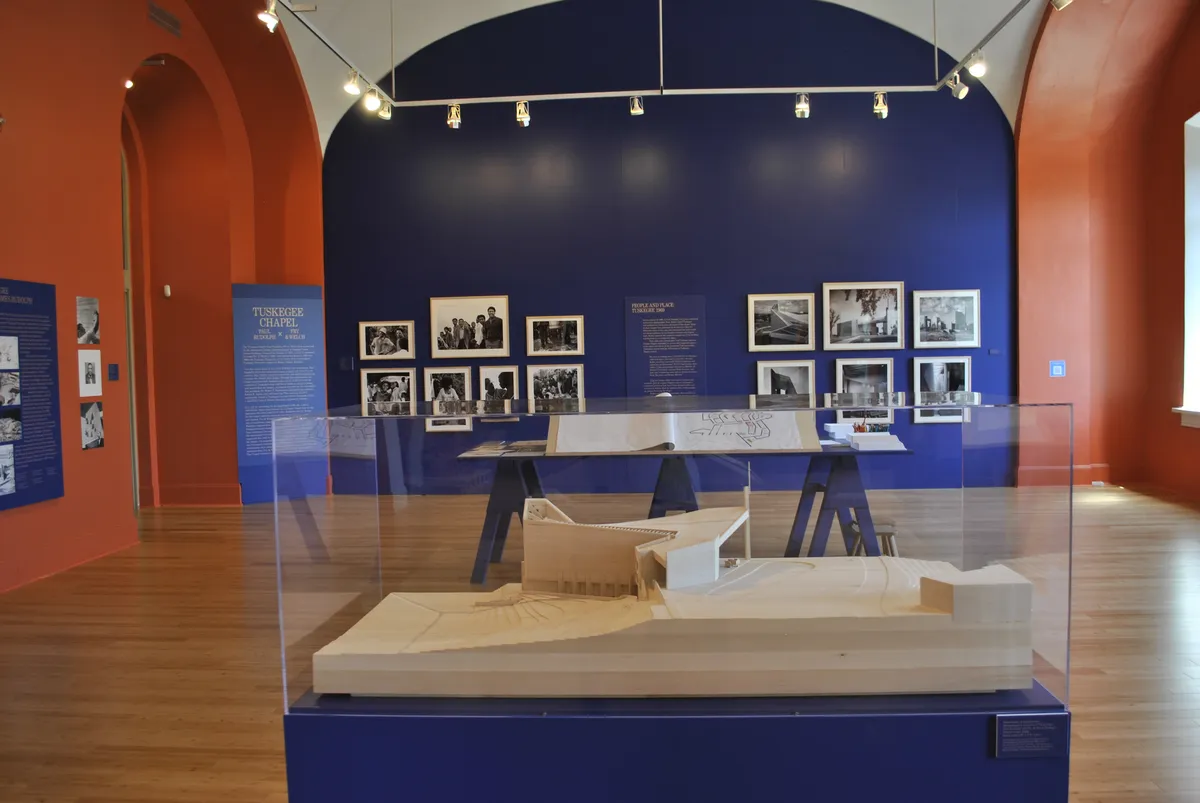
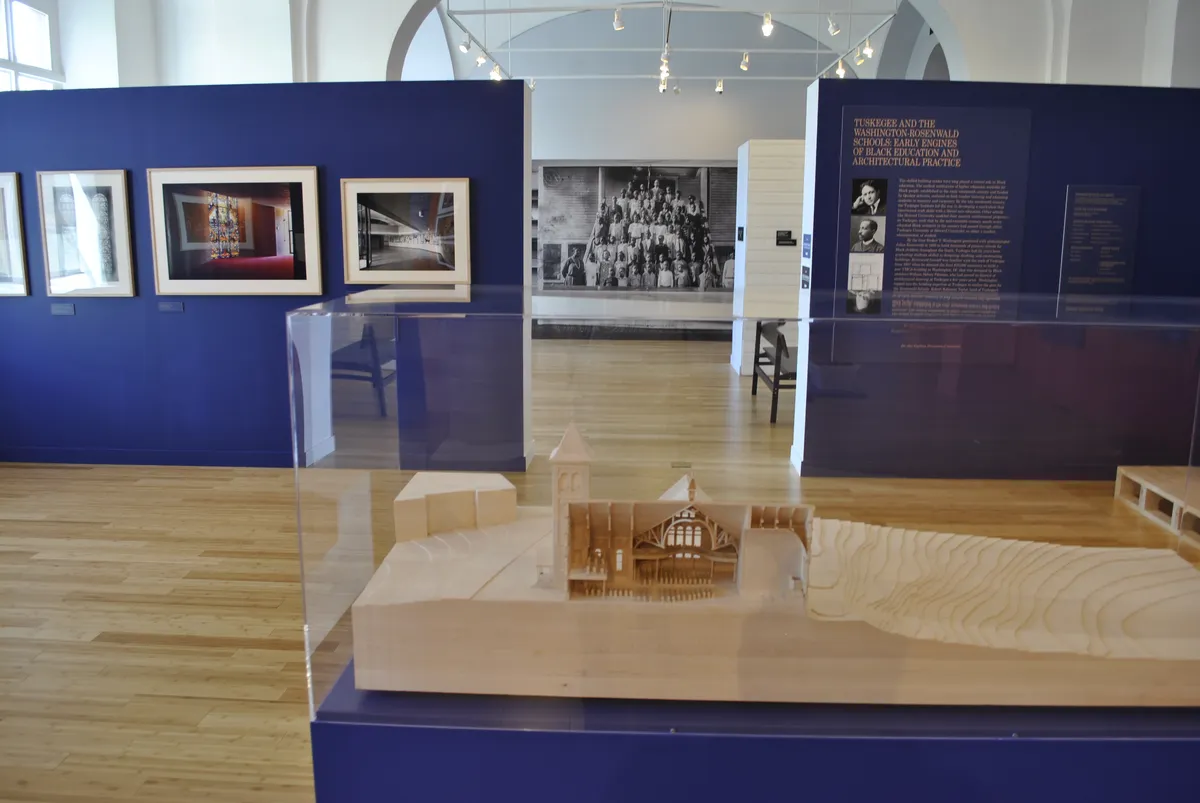
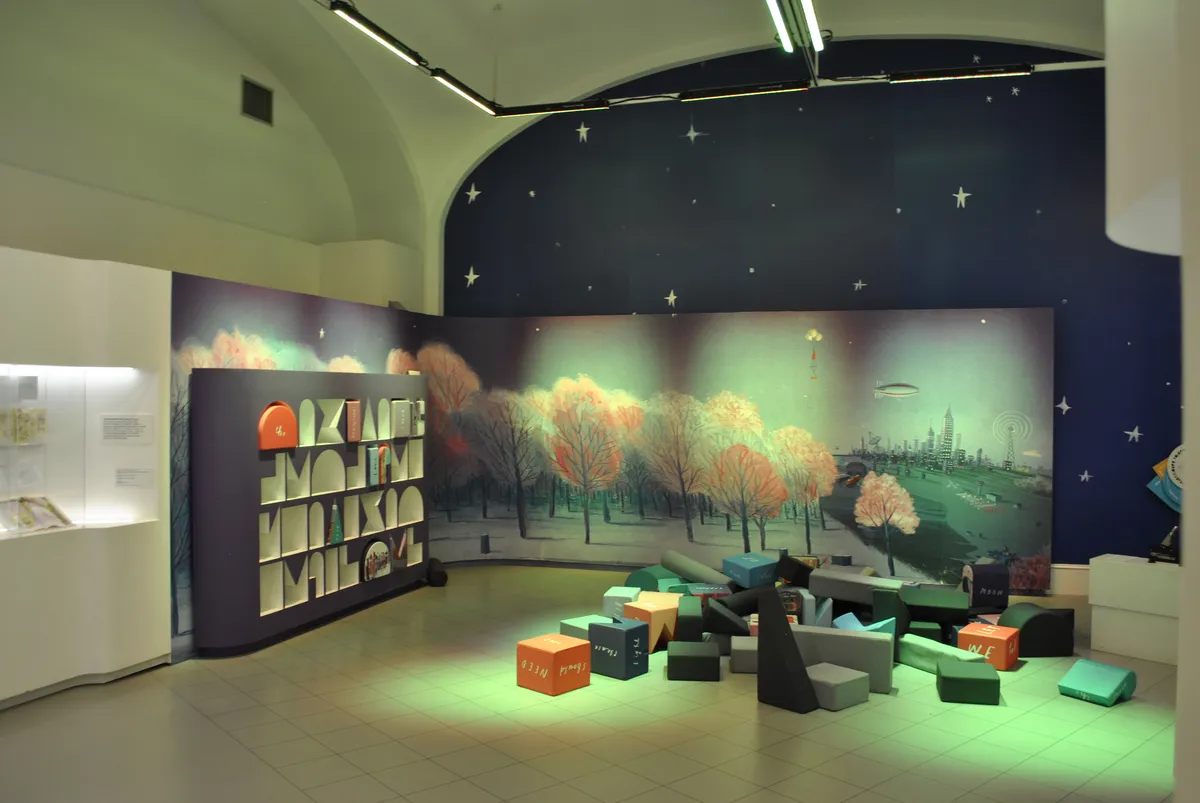
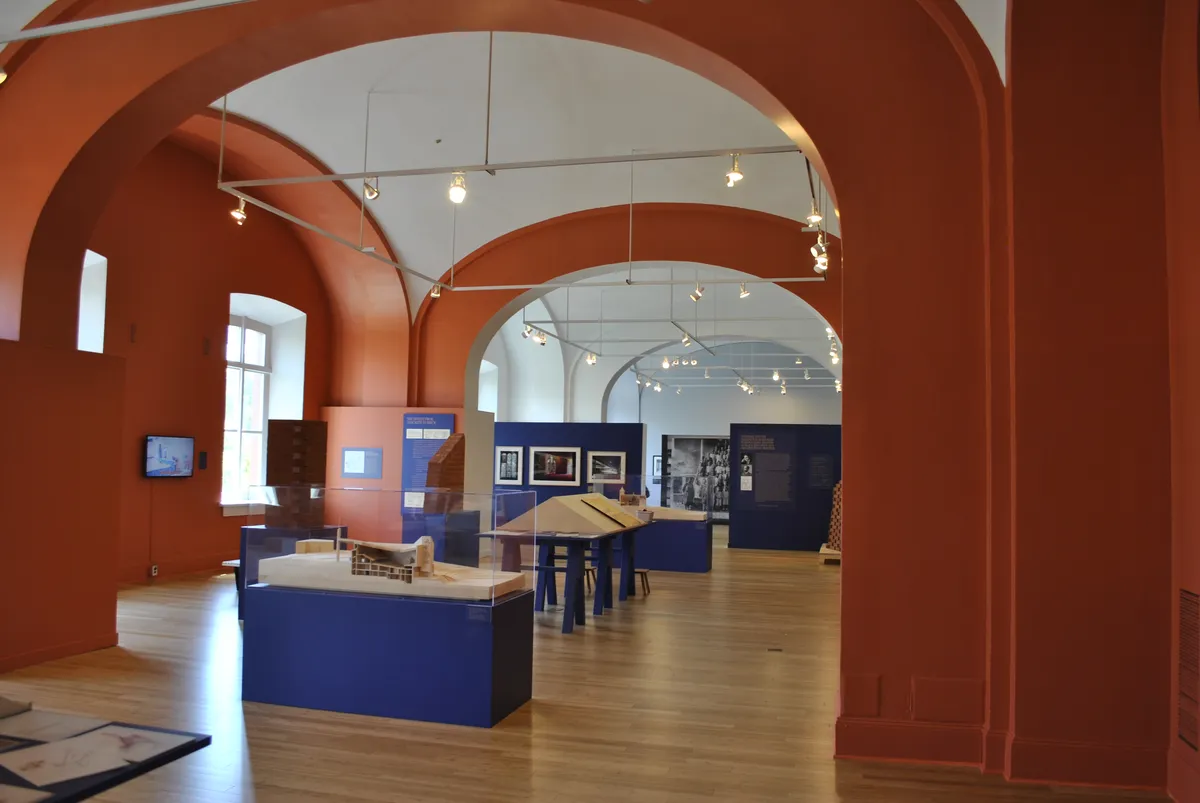
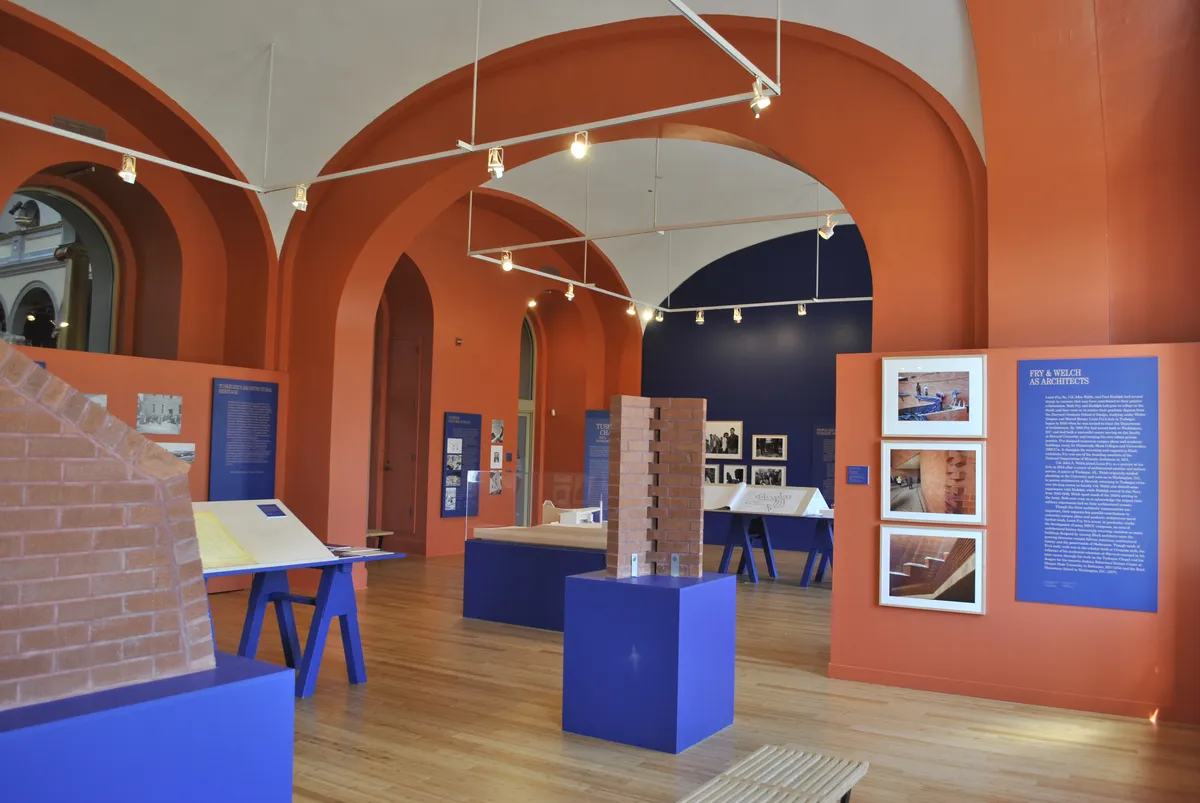
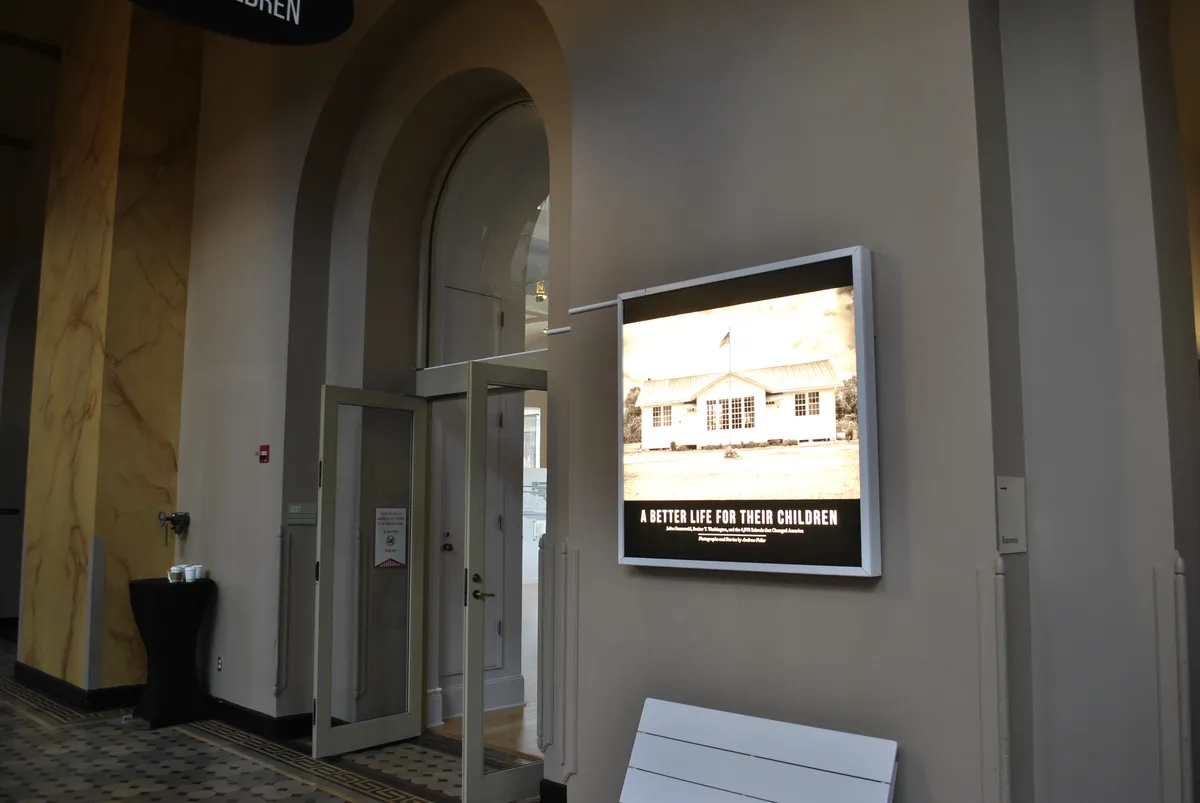
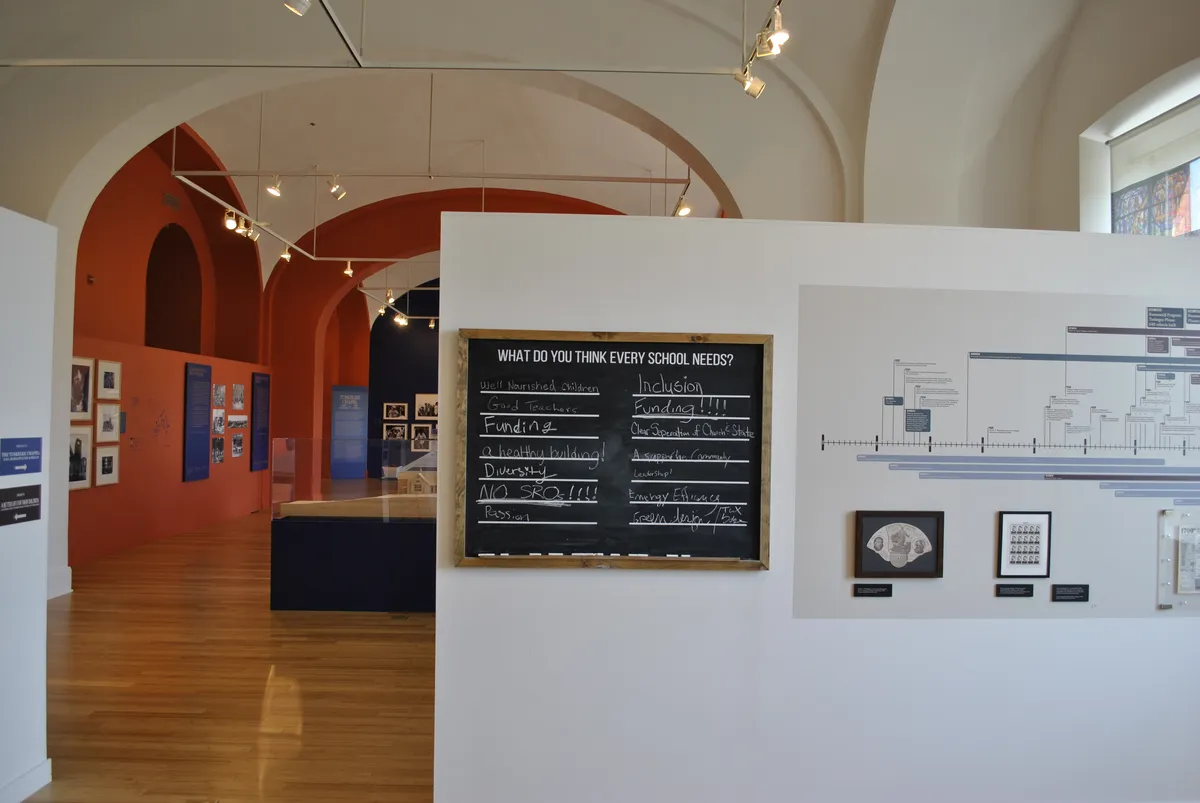
We also wandered into the Tuskegee exhibition, which tells the story of the Washington-Rosenwald schools. The walls were painted in bold blue and orange, and there were historical photographs, a chapel model, and an interactive chalkboard where visitors had written what they think every school needs. It was more aimed at adults and older kids, but the visual design of the space was striking enough that even our younger ones walked through without complaining.
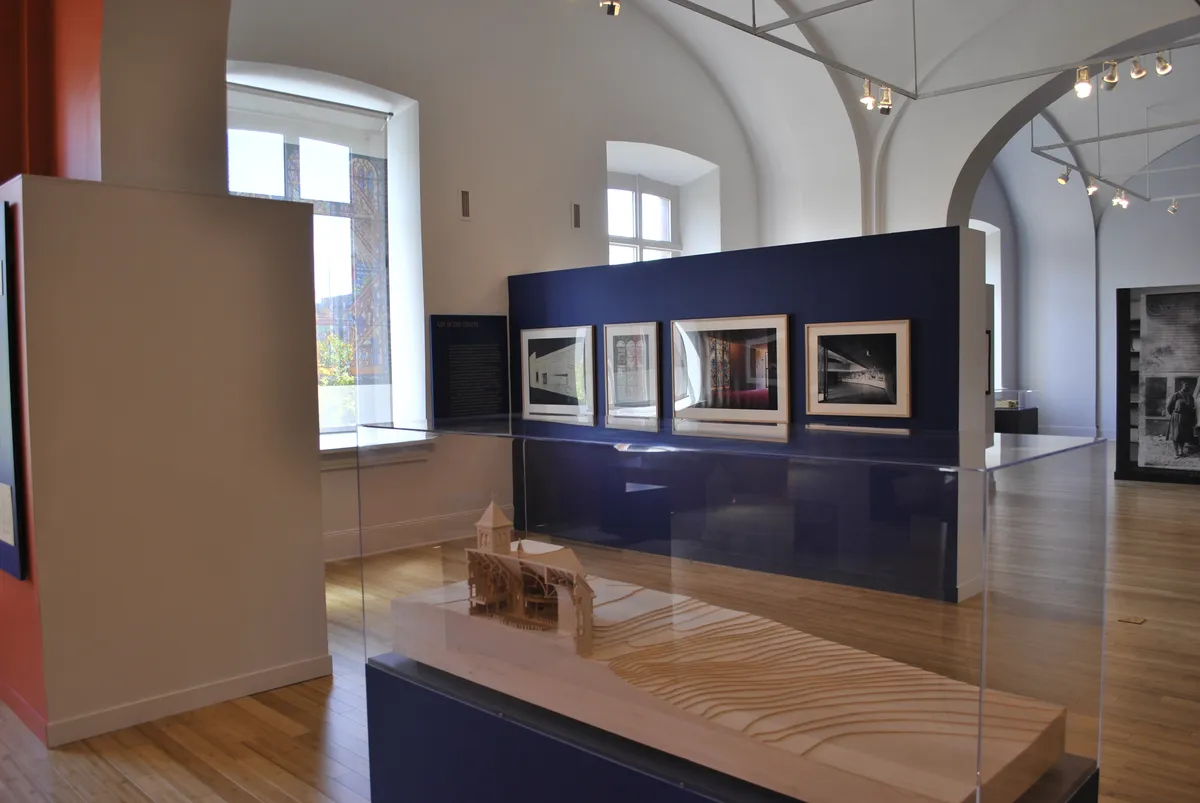
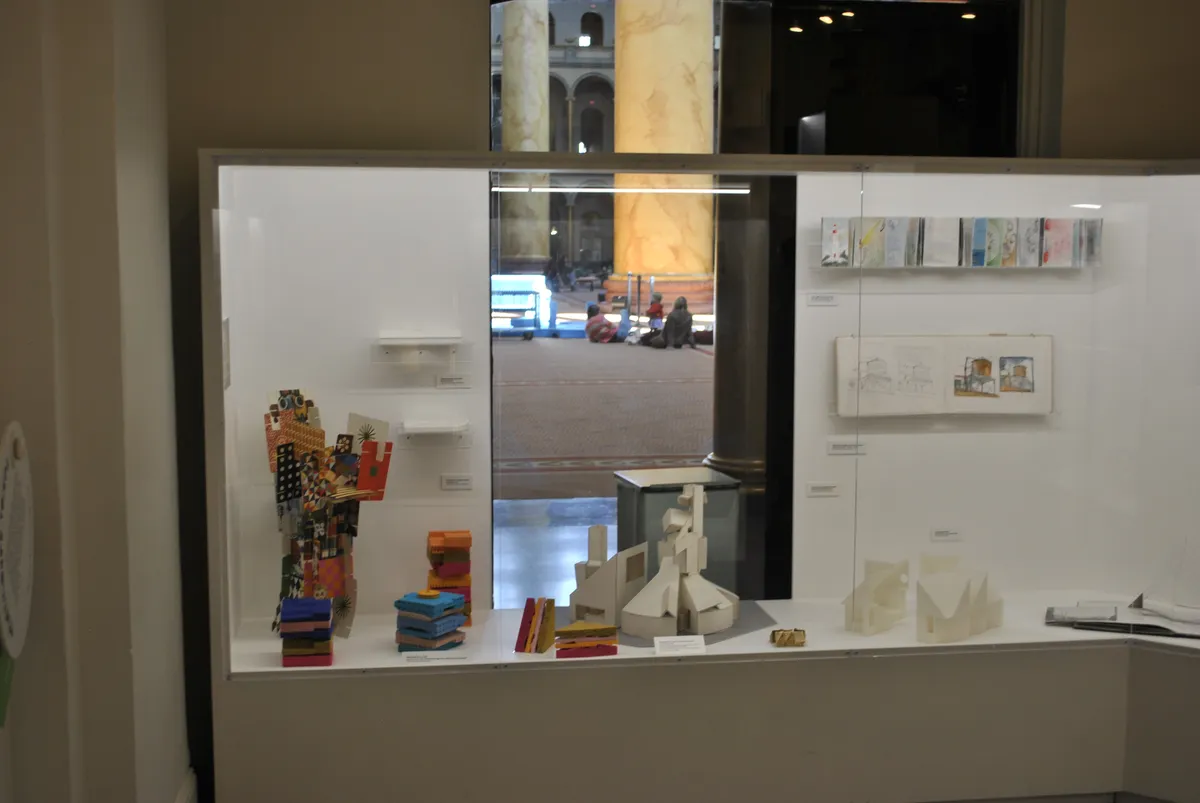
In a quieter corner, there was an exhibition with framed architectural photographs and wooden building models, including one displayed on what looked like a topographic landscape carved in wood. Nearby, a glass display case held colorful architectural study models, blocks of different shapes and materials that looked almost like abstract art.
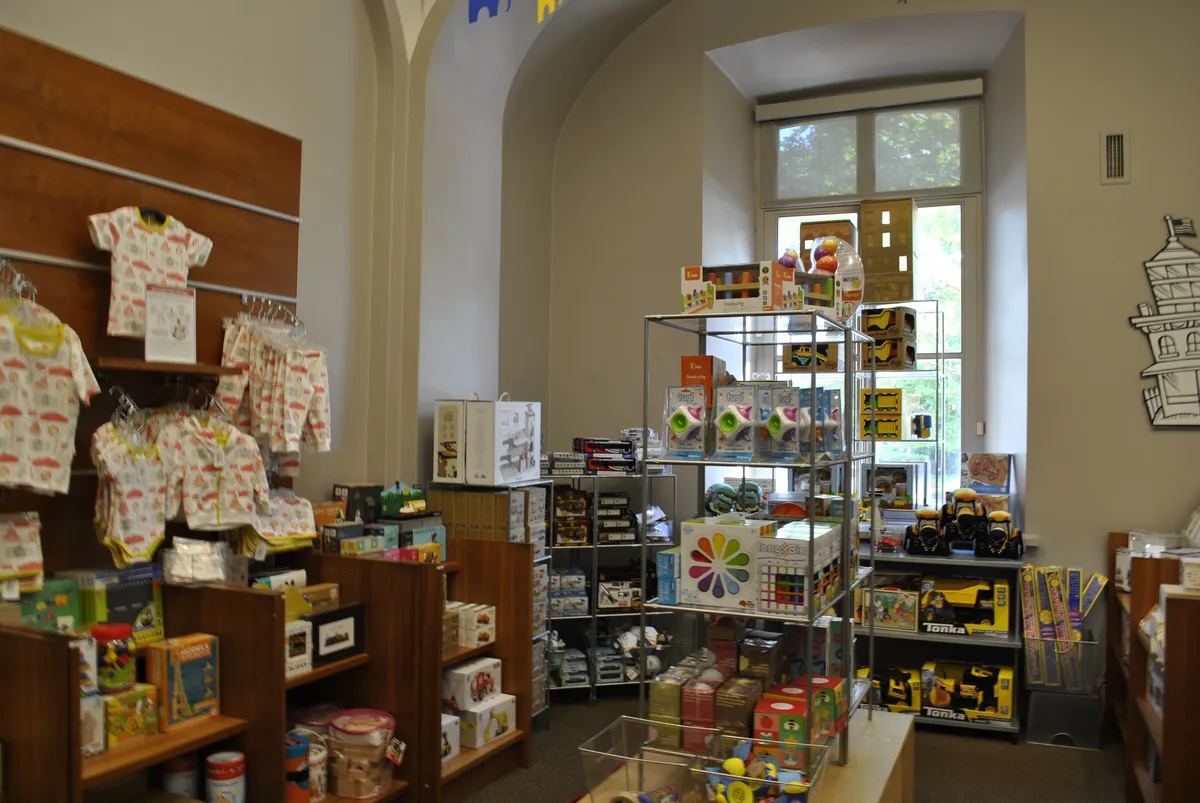
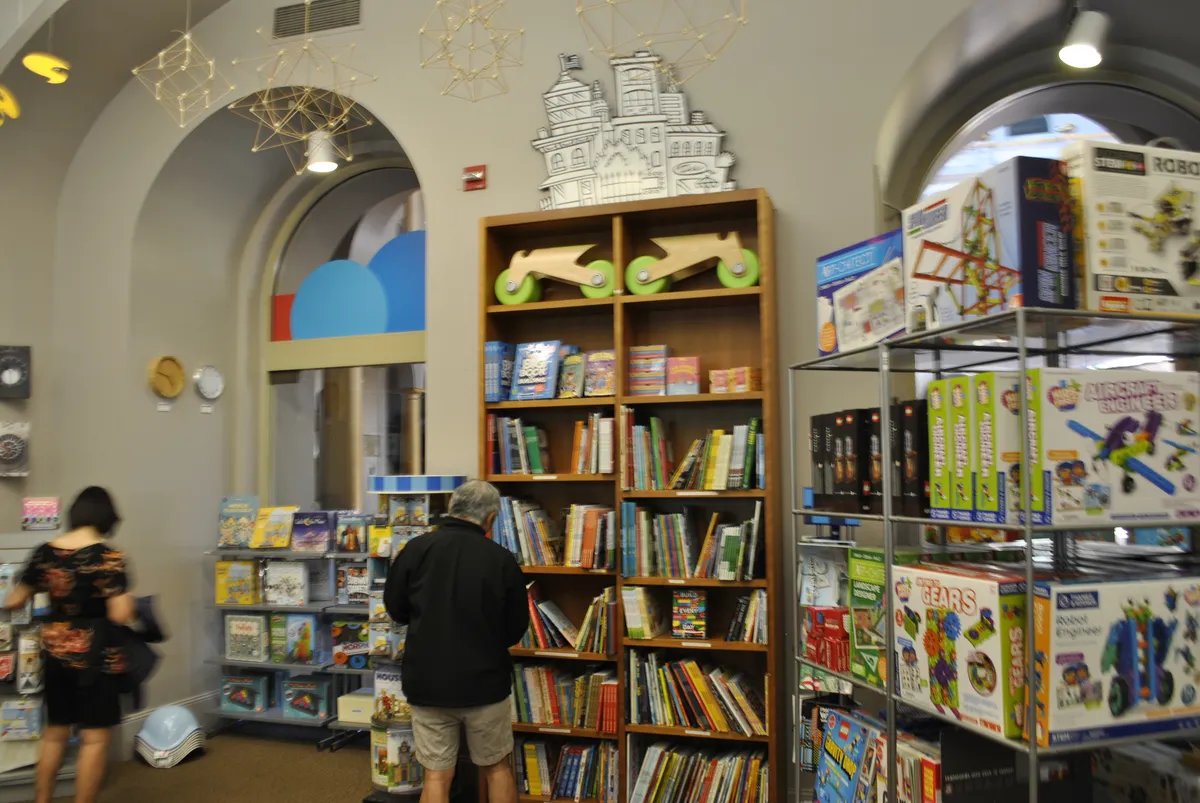
Before leaving, we made a stop at the gift shop, which turned out to be surprisingly good. There were shelves full of building-themed toys, STEM kits, Robot Engineer sets, Gears construction toys, architecture books, and wooden building blocks. The ceiling had geometric metal light fixtures that matched the building theme. The kids wanted to take half the store home.
We spent about two hours at the museum, and it felt like we could have stayed longer. The National Building Museum is one of those places that does not get as much attention as the Smithsonians, but for families who have kids interested in building, construction, LEGO, or just running around in a beautiful space, it is well worth the visit.