The Screen-Free Day in DC: A Ready-Made Plan for Every Age
One whole day, zero tablets, and nobody asks "can I watch something" because there's always a next thing. Three ready-made itineraries: one for toddlers, one for big kids, one for tweens. We've run all three with our own crew.
Here's a small confession. The first time we tried a fully screen-free day, it wasn't for the kids. It was because I caught myself handing over my phone at a restaurant the way you'd hand over a pacifier, automatically, before anyone even fussed. The kids were fine. I was the one using the screen as a reflex. So we built a day with no gaps for it, and it worked so well it became a monthly ritual.
The thinking behind this has gotten serious backing lately. Social psychologist Jonathan Haidt's book The Anxious Generation, the one every parent group has been arguing about since 2024, makes the case that childhood has been rewired from a play-based childhood into a phone-based one, and his movement's stated mission is to restore "real play, connection, and independence" for kids. His argument isn't that screens are poison. It's that every hour on one is an hour not spent doing the things that actually build a capable kid: roaming, climbing, negotiating with other children, being bored and solving it.
The American Academy of Pediatrics landed somewhere refreshingly practical in its updated 2026 media guidance: less obsessing over counting minutes, more protecting the things screens tend to eat, like sleep, meals, outdoor time, and family time. Their advice to keep certain spaces and moments screen-free for everyone (parents included, which stings) is basically the blueprint for this article. And parents are clearly hungry for it: Pinterest's 2026 Parenting Trend Report found searches for outdoor learning and hands-on activities surging as families chase what they're calling the analog childhood.
So here it is: one full screen-free day in DC, planned start to finish, in three versions by age. A few house rules we learned the hard way. Your phone counts, so it stays in the bag except for maps and the one designated photo stop (or bring a real camera and make it part of the fun). Book anything that needs booking the night before, as the last screen task of the evening. And don't over-rescue the boring moments between stops. The kicking-rocks stretch is where the good conversations happen.
Plan 1: The Toddler Day (Ages 1-4)
Total cost: about $0 plus snacks and ice cream · Nap-compatible · Stroller friendly end to end
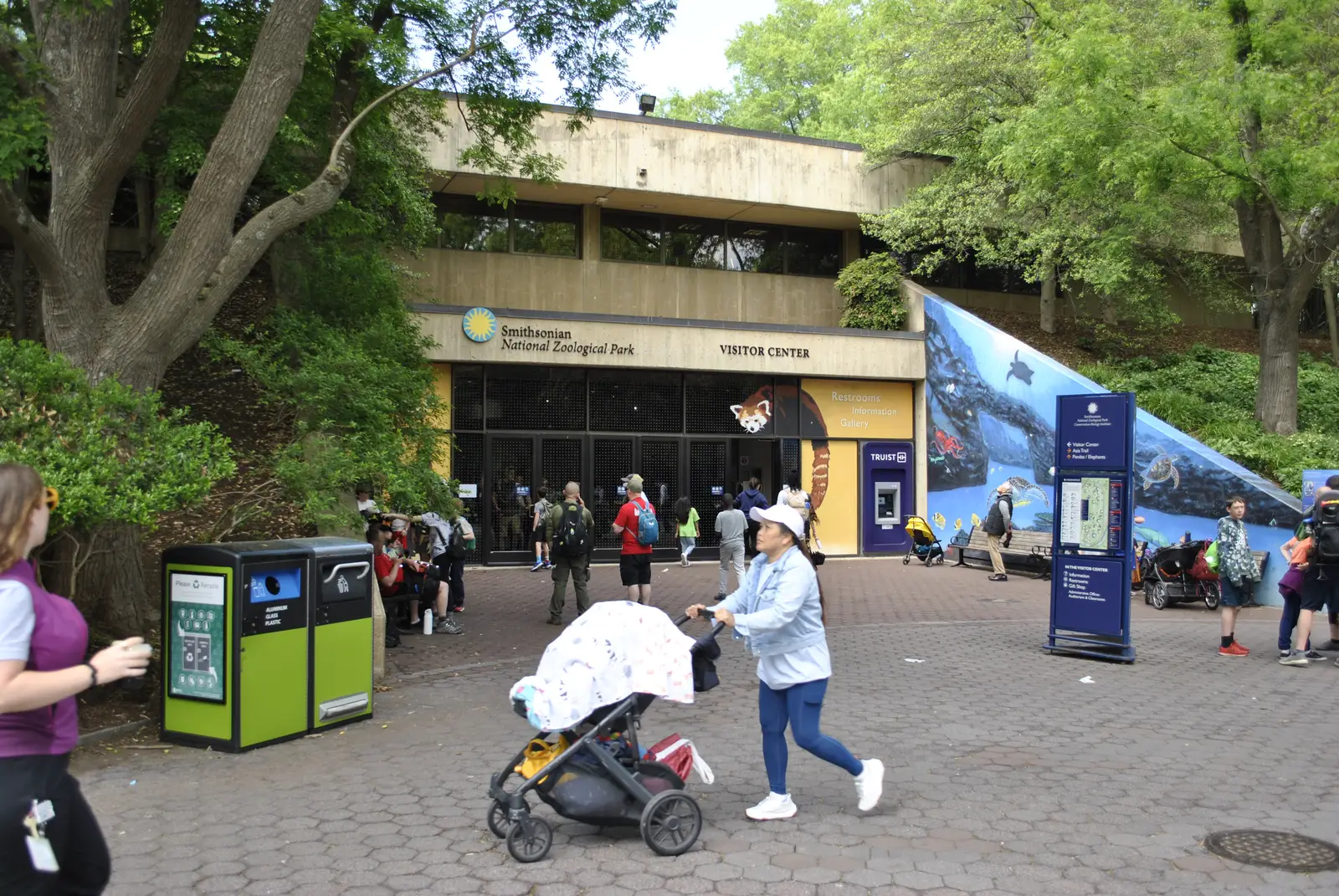
8:30am Start at the National Zoo right when the gates open. Mornings are when the animals actually do things: the elephants get breakfast, the otters do laps, the big cats pace before the heat settles in. Entry is free with a timed pass (book it the night before), and the whole visit runs downhill if you enter at the top on Connecticut Avenue, which matters enormously when you're the one pushing the stroller. There is no screen on earth that competes with a live orangutan crossing the O-Line over your head.
11:30am Picnic on the zoo lawns, then let the stroller do its magic. The walk out through Cleveland Park is nap-length exactly, and a napping toddler in motion is a parent's coffee break.
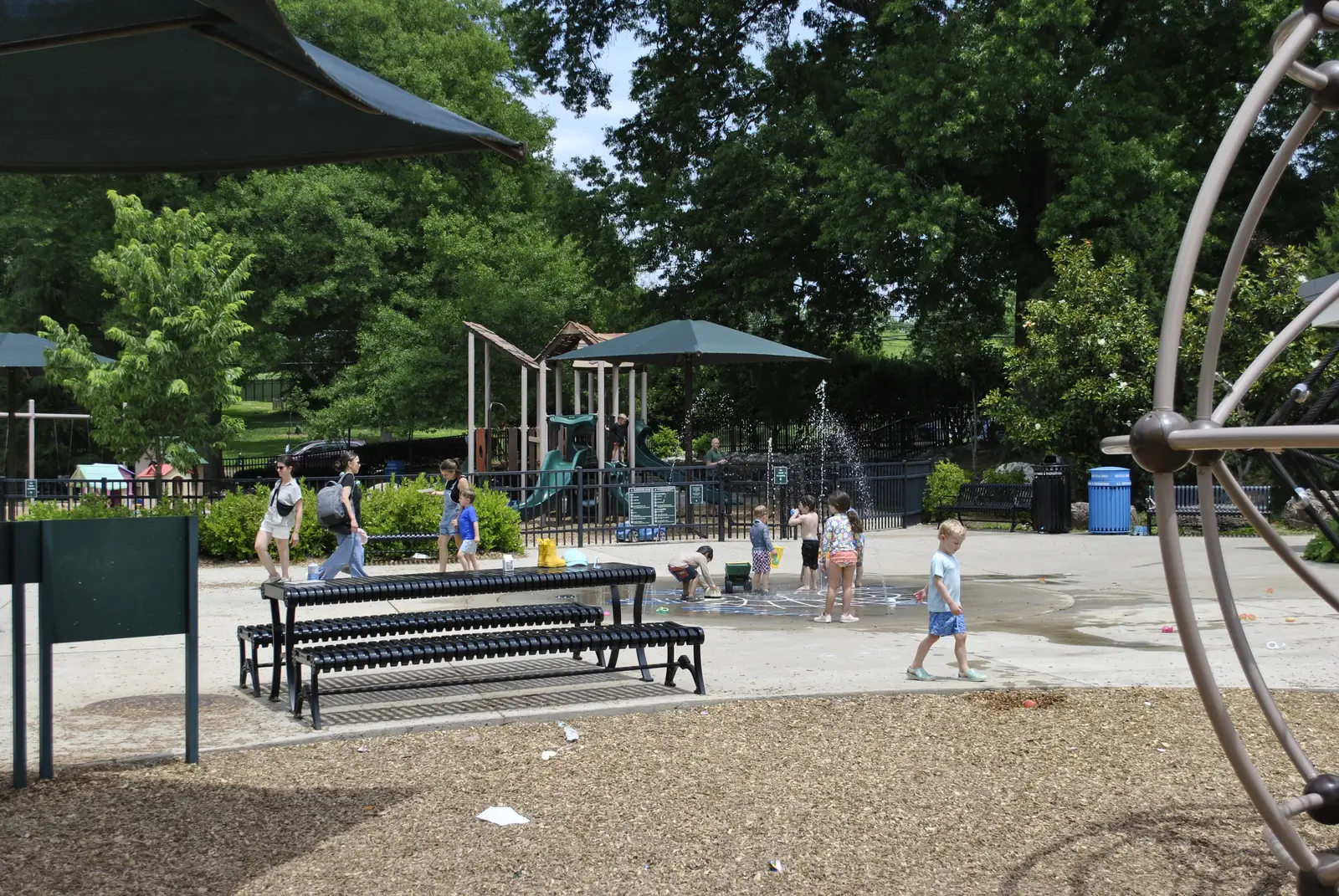
3:30pm Afternoon shift: Turtle Park (officially Friendship Park, at 45th and Van Ness NW), the toddler capital of Northwest DC. Giant sand pits with buried digger toys, climbing structures scaled for small legs, and the famous turtle statues that every DC kid has been photographed sitting on since roughly forever. Bring sand toys or borrow from the communal pile, which is its own lesson in negotiation. Ice cream after, because a screen-free day should end with the flavor of one.
Why it works without screens: live animals are the original streaming service, sand is the original sensory bin, and the nap is engineered into the plan instead of fought for at home.
Plan 2: The Big Kid Day (Ages 5-9)
Total cost: about $10-18 per person plus one board game · Best April through October · Metro or car
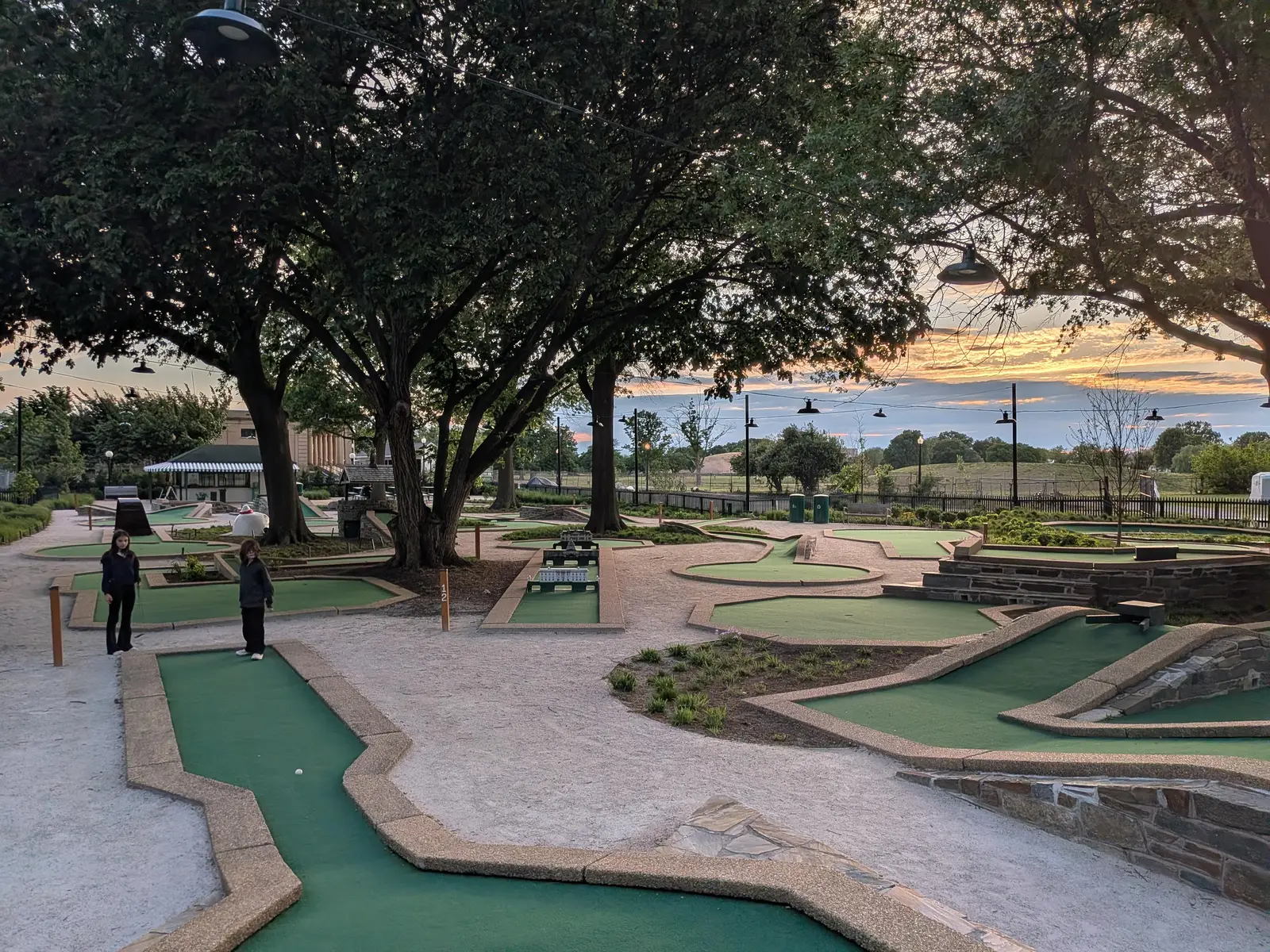
9:30am Open with East Potomac Mini Golf at Hains Point, the oldest continuously operating mini golf course in the country, putting since 1931. It's gloriously unfancy: no animatronics, no glow-in-the-dark anything, just 18 holes under the trees with the river breeze coming through. Keep score on the paper card with the tiny pencil. The tiny pencil is the whole point.
12:00pm Picnic under the Hains Point trees and watch the planes drop into National Airport one after another, close enough to read the airlines. Plane spotting scratches the exact same itch as watching a screen, except the show is real and nobody can skip ahead.
1:30pm Cross town to Capitol Hill for the secret weapon of this whole plan: Labyrinth Games & Puzzles on Pennsylvania Avenue SE, a real neighborhood board game shop where the staff will match a game to your kid's age and temperament like a sommelier. Give each kid a budget and one rule: they're choosing the game the family plays today. Ownership changes everything.
3:00pm Ice cream at Eastern Market two blocks away, then play the new game right there or spread out on the grass by the Capitol. A kid teaching their parents the rules of a game they chose is the exact opposite of a kid being handed a tablet.
Why it works without screens: paper scorecards, plane spotting, and a game they picked themselves. Competition and ownership beat passive watching every time, and the whole day has a built-in souvenir that gets played for years.
Plan 3: The Tween Day (Ages 10-13)
Total cost: about $20-25 per person for the kayak hour plus lunch and one book · Summer weekends book up · Georgetown + Connecticut Ave
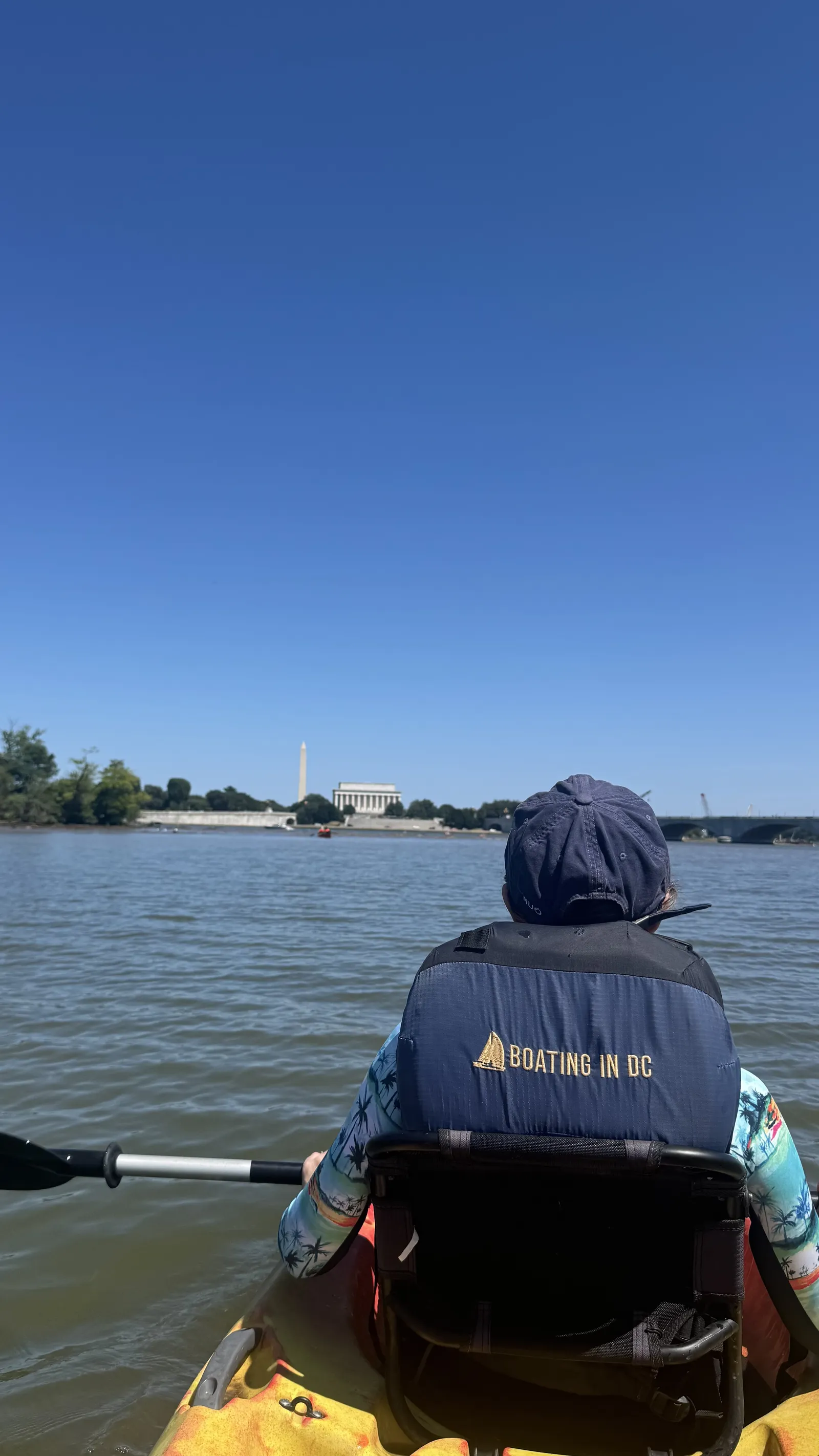
9:30am Tweens don't want to be entertained, they want to be trusted. So start at Key Bridge Boathouse in Georgetown and put them in charge of a kayak. An hour on the Potomac with herons lifting off the water and the monuments floating past at eye level, and your tween is steering all of it (life jackets provided, tandem kayaks if you want to share a boat, and summer weekend slots go fast, so reserve the night before).
12:30pm Lunch on the Georgetown Waterfront steps, where the people-watching and the fountain do the entertaining. Let them order for themselves. Trust, again.
2:00pm Then the quiet anchor of the day: Politics and Prose on Connecticut Avenue, one of the country's great independent bookstores. Same deal as the game shop: everyone picks one book, no vetoes, and the coffee shop downstairs buys you unhurried browsing time. A tween who chose their own book will actually read it, which no assigned summer reading list has ever accomplished.
4:00pm End somewhere green with the books: the picnic tables in Rock Creek Park if you're driving, or straight home to the good chair. First chapters read side by side, nobody talking, everybody together. That's the analog childhood, and honestly, the analog adulthood too.
Why it works without screens: autonomy is the tween currency. Steering the boat, ordering the food, choosing the book. Every stop hands over a little control, which is exactly what the research says this age needs more of.
Rain plan, because DC summers keep their own schedule: swap the zoo for the sensory spots downtown (Planet Word and the Building Museum are made for wet days), swap mini golf for an afternoon at Labyrinth's open play tables, and swap the kayaks for the Q?rius touch lab at Natural History. The book and game stops work in any weather, which is precisely their charm.
One honest note to end on. The first screen-free day has a whiny stretch, usually mid-morning, when the reflex to reach for a device hits everyone including you. Push through it. By the third one, nobody mentions screens at all, and that silence is the best review this plan ever gets. For more ideas that don't involve a charger, our indoor activities guide and splash pad guide are full of them.
Free Coloring Book + Newsletter
The best things to do with kids in the DMV.
Free Finn the Fox coloring book for subscribers! Plus weekly family events across DC, Maryland & Virginia. No spam.
Free coloring book! Get Finn's Zoo Adventure + weekly events