Sensory Play in DC: 5 Places Where Kids Learn With Their Hands
Some kids learn by listening. Mine learn by grabbing, sniffing, climbing, and occasionally licking. Here are the five spots in DC we keep going back to because they let kids do exactly that, and the science on why it matters.
Watch a two year old meet a pile of sand. They don't study it. They bury both hands in it, taste a little (sorry), pour it on their leg, and listen to it hiss through their fingers. That's not chaos. That's a brain doing its job. Touch, smell, sound, movement, and sight are the channels young kids use to build their model of the world, and the more of those channels an experience fires at once, the more of it sticks.
This isn't just a parent's hunch. The American Academy of Pediatrics dedicated an entire clinical report to it, and the language is unusually direct for a medical paper: "play is not frivolous: it enhances brain structure and function," the authors write, describing changes that reach all the way down to the cellular level, where hands-on play literally strengthens the connections between neurons. The report goes as far as recommending that pediatricians write a "prescription for play" at well visits.
Pediatric experts at the Cleveland Clinic get more specific about the sensory part. In their guide to sensory play, they explain that activities engaging multiple senses at once build nerve connections in the brain's pathways and support language development, fine motor skills, and body awareness. Two details in there changed how I plan our weekends. First, sensory play helps kids regulate their energy: it can calm a wound-up kid and wake up a sluggish one. Second, it feeds two senses most of us never think about, the vestibular system (balance and movement) and proprioception (knowing where your body is in space), which is why sliding, spinning, and climbing count as learning and not just burned energy.
The good news for DC families: you don't need a Pinterest bin of dyed rice to do this well. We live in a city full of places built for exactly this kind of learning, and most of them are free. These are the five we'd take a visiting family to first, tested repeatedly by my own kids, with notes on what each place does for a developing brain.
1. Planet Word
925 13th St NW, Downtown DC · Free (pay what you choose) · Best for ages 3-10
Planet Word is the museum where my kids figured out that their voices do things. The centerpiece is a three-story wall of 1,000 words that lights up and talks back when you speak to it, and watching a four year old realize the room is listening to them never gets old. Upstairs there's a karaoke room sized for kids, a library where opening certain books triggers little projected scenes, and a whole gallery where jokes and puns are the exhibit.
This is the most language-dense hour you can give a child in DC, which matters because expressive language is one of the specific skills sensory play builds. Kids here aren't reading words on a wall. They're saying them, hearing them echo, and getting a response, which is the loop that wires vocabulary in. It's free with a suggested donation, it's calm on Sunday mornings, and the free librarian-led storytime at 10am is the perfect on-ramp for the 2 to 6 crowd.
The senses at work: Hearing and speaking do the heavy lifting here, backed by sight and touch. Strong pick for language development, listening skills, and expressive vocabulary.
2. National Children's Museum
1300 Pennsylvania Ave NW · $18.95 · Built for ages 0-8
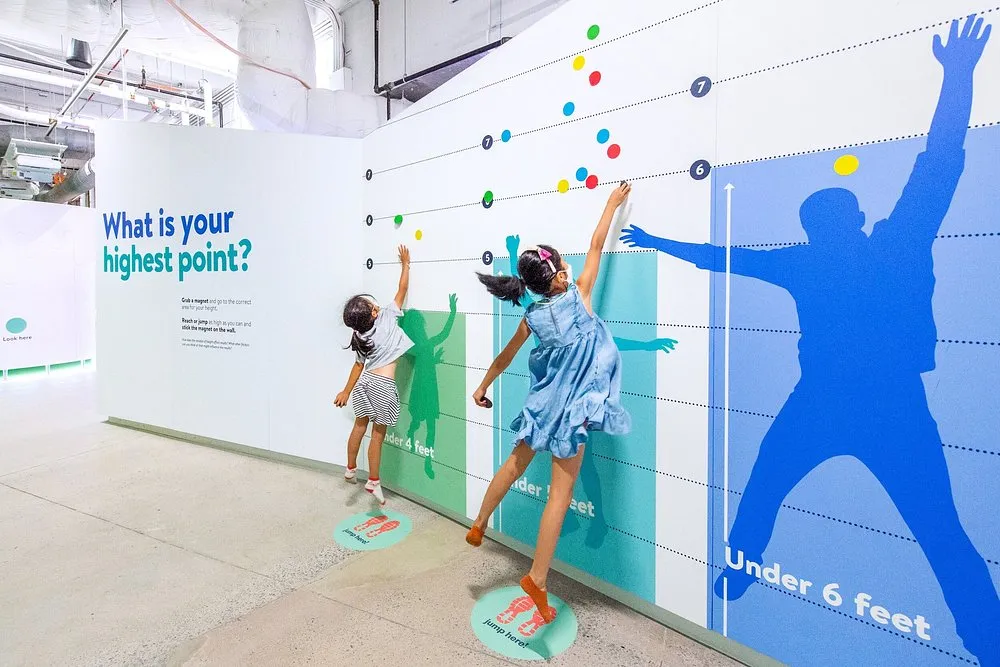
This is the only museum downtown where the correct parenting move is to let go of your kid's hand at the door. The three-story Dream Machine climber ends in a slide that my son once rode eleven consecutive times, there's a cloud-themed crawl structure for the tiny ones, and the exhibits are built to be pushed, cranked, spun, and jumped on. Nothing is behind glass. Everything expects hands.
Remember those two hidden senses from the Cleveland Clinic article, balance and body awareness? This is their gym. Climbing through the Dream Machine forces a kid to plan where each hand and foot goes, judge distances, and feel how much force to use, which is proprioception being built in real time. Through September 6 the Curious George exhibit adds a pulley system, a produce stand, and a mini rocket to the mix. Book the morning slot; the museum is calmer and the climber line is shorter.
The senses at work: Movement, balance, and touch. This is the vestibular and proprioceptive workout: climbing, sliding, crawling, pushing, with light and sound layered on top.
3. National Building Museum
401 F St NW, Penn Quarter · $16-$19 · Building Zone best for ages 0-6
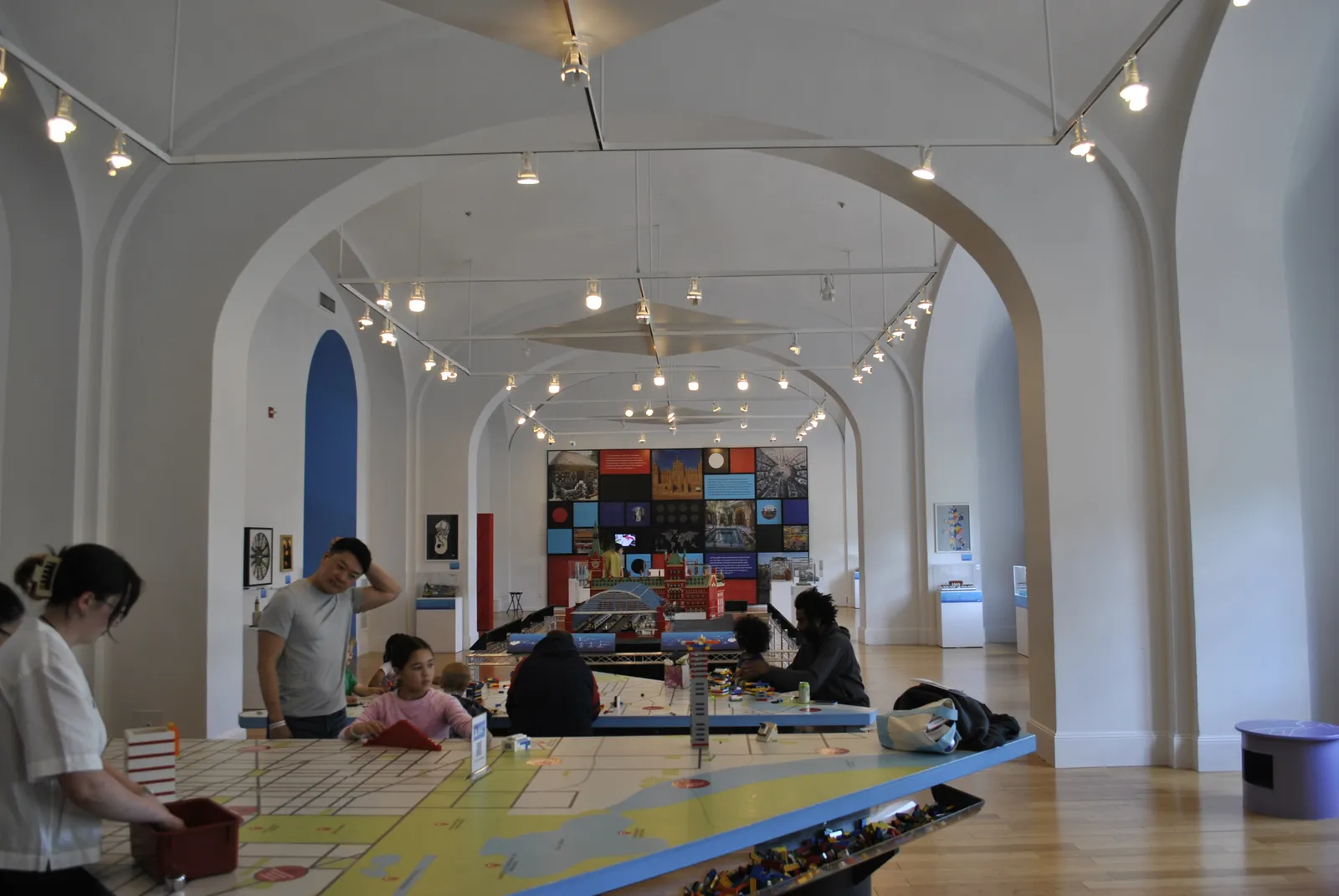
The first thing kids do in the Great Hall is tilt their heads all the way back, and honestly, fair. The columns are among the tallest indoor columns in the world, and the sheer scale of the room is its own sensory experience: sounds echo differently, distances feel different, and kids instinctively run to test both. Then you get to the Building Zone, a play space for the under-6 crowd stocked with foam bricks, a kid-sized tool bench, textured building materials, and a play bulldozer.
Construction play is quietly one of the best fine motor workouts there is. Stacking an arch out of soft blocks takes exactly the kind of graded hand pressure and spatial planning that sensory researchers keep pointing at. And through August 30, the museum's summer PLAYGROUND installation fills the hall with climbable, springy, touchable structures, which turns the whole visit into a full-body experience. Air conditioned, stroller friendly, and timed entry on weekends is worth booking ahead.
The senses at work: Touch and spatial reasoning, with sound as a sleeper hit. Foam blocks, textures, tool benches, and a Great Hall that teaches kids what enormous feels like.
4. National Museum of Natural History
10th St & Constitution Ave NW · Free · All ages
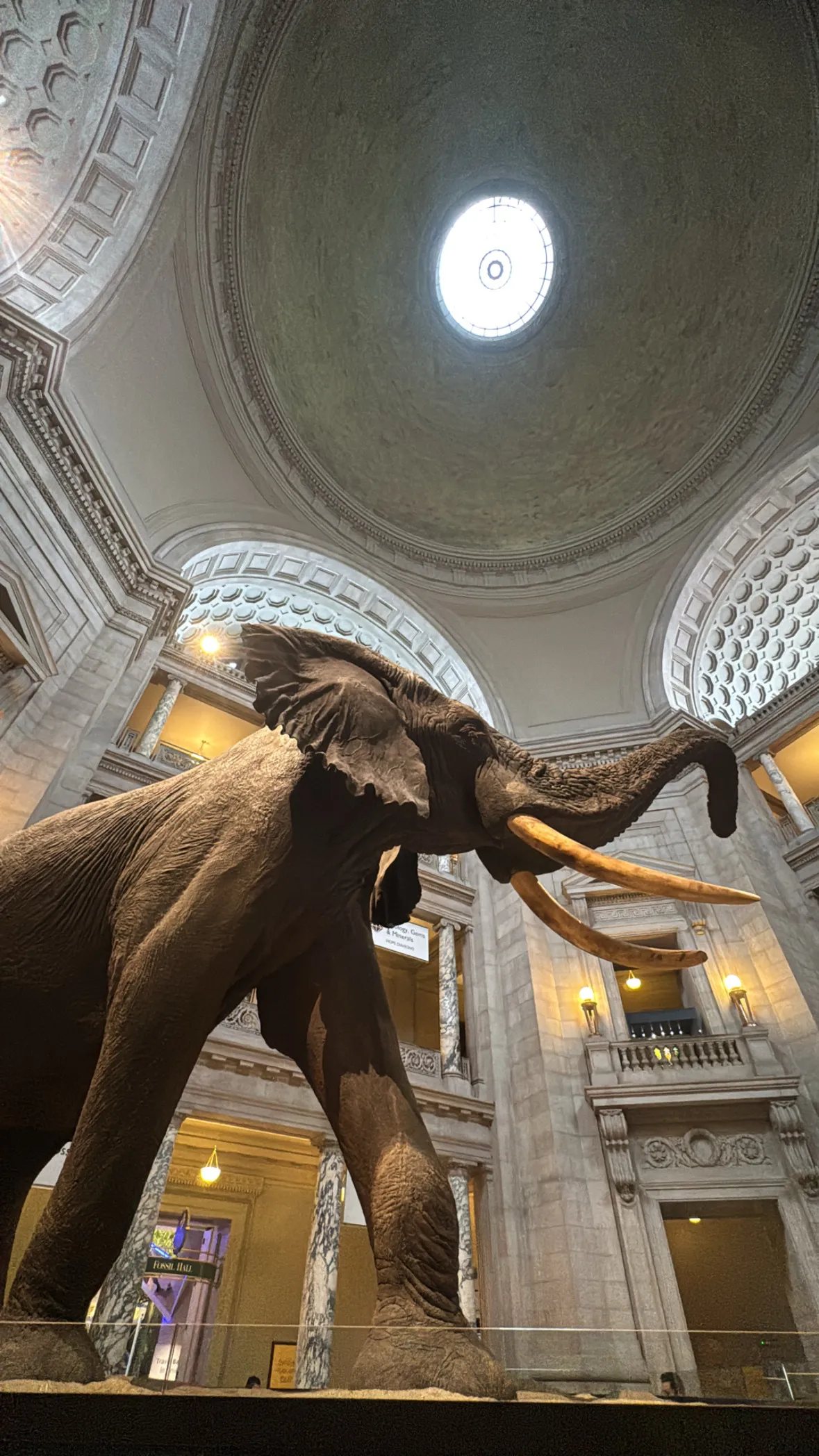
Everyone knows this museum for the elephant and the dinosaurs, but the sensory gold is in three smaller rooms. The Butterfly Pavilion hits you the second the doors open: a wall of warm, humid, flower-scented air, and then butterflies drifting close enough to land on a very still kid (it needs a timed ticket, so grab one early in your visit). The O. Orkin Insect Zoo upstairs has live tarantulas and hissing cockroaches, and the Q?rius jr discovery room is the part my kids ask for by name: drawers of real skulls, pelts, minerals, and fossils that children are allowed, encouraged even, to pick up and handle.
Museums usually train kids to look without touching. This one carves out spaces to do the opposite, and that's exactly what makes knowledge stick at this age. A fossil you held is different from a fossil you saw. Add the temperature shift and smell of the pavilion and you've fired four senses before lunch, in a museum that costs nothing to enter. Weekday mornings are far calmer than weekends.
The senses at work: Touch, smell, and sight in one building: warm humid air and wings in the Butterfly Pavilion, real bones and pelts in the touch lab, live insects up close.
5. United States Botanic Garden
100 Maryland Ave SW, next to the Capitol · Free · All ages
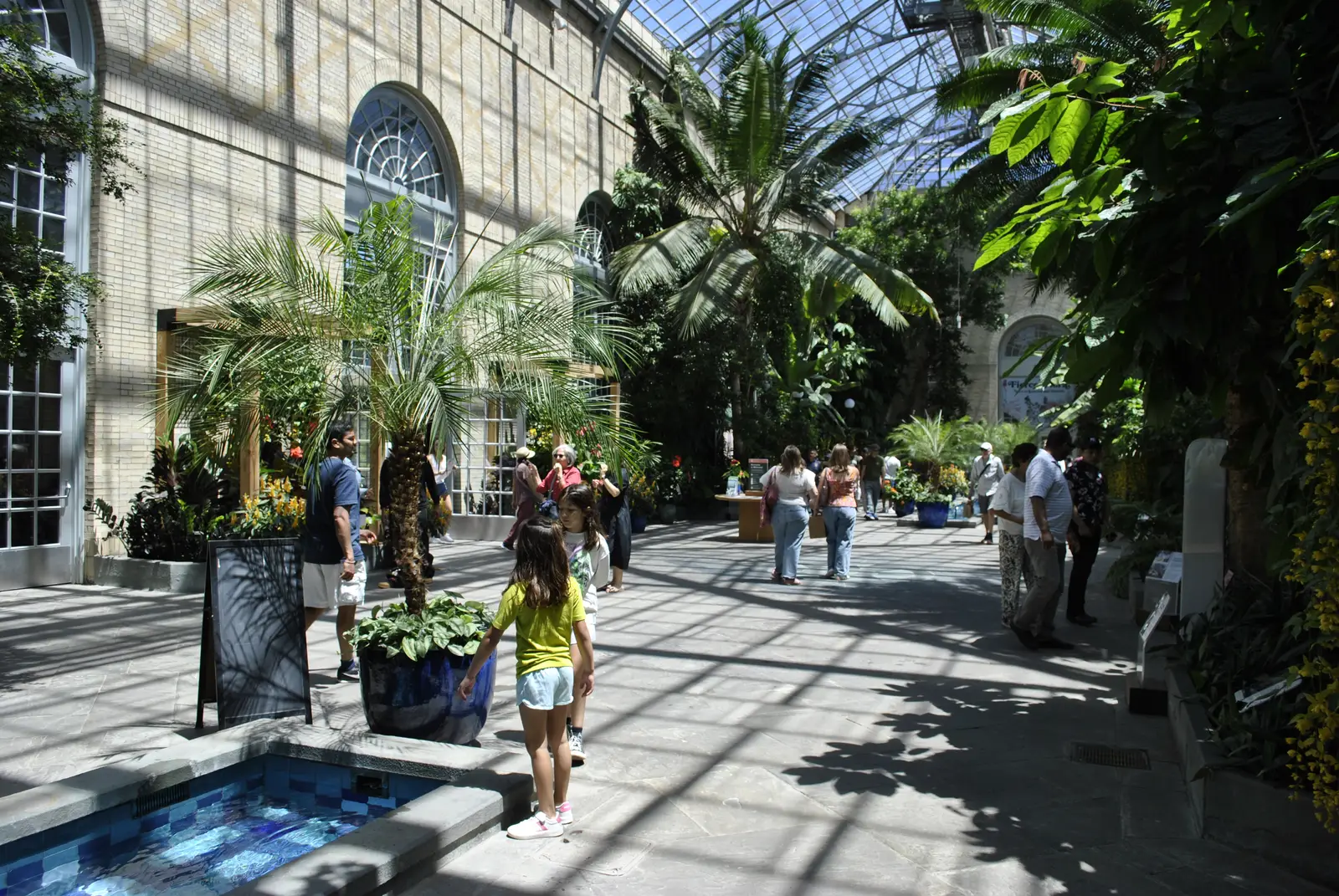
Walking into the Botanic Garden's jungle room is the cheapest trip to the tropics your family will ever take. The air turns thick and warm, everything smells green and alive, water drips somewhere out of sight, and the mist settles on your arms. My kids go quiet in there, every single time. Outside, the children's garden is the opposite energy: watering cans to fill and dump, plants to sniff and touch, dirt paths to stomp, and nobody telling anyone to be careful with the flowers.
Here's where that regulation idea from the research earns its keep. Nature-based sensory input, the smells, the humidity, the soft sounds, is one of the most reliable ways to bring an overstimulated kid back down to earth, which makes this the perfect second stop after a loud museum morning. It's free, it's directly next to the Capitol, and it pairs with a Mall picnic. We wrote up our full visit in our US Botanic Garden review.
The senses at work: Smell, touch, temperature, and calm. The jungle room is a full-body climate change, and the children's garden hands kids real dirt, real plants, and real watering cans.
One last thing worth saying: none of these places require your kid to be a certain kind of kid. The loud ones burn energy at the Children's Museum, the shy ones whisper to the word wall at Planet Word, and the overwhelmed ones reset in the jungle room. That's the quiet advantage of sensory-rich places. They meet kids where they are, and the learning happens on the way.
If you want the water version of this list, our DC splash pad guide covers the best free sensory play of the summer. And for rainy weeks, the indoor activities guide has 25 more parent-tested ideas.
Free Coloring Book + Newsletter
The best things to do with kids in the DMV.
Free Finn the Fox coloring book for subscribers! Plus weekly family events across DC, Maryland & Virginia. No spam.
Free coloring book! Get Finn's Zoo Adventure + weekly events